

MATÍAS FERREIRA AND MUSIC AS A CREATIVE LANGUAGE
Matías Ferreira reflects on his journey across disciplines, countries, and stages, and on the decision to turn music into his creative axis. A portrait of process, identity, and artistic permanence.
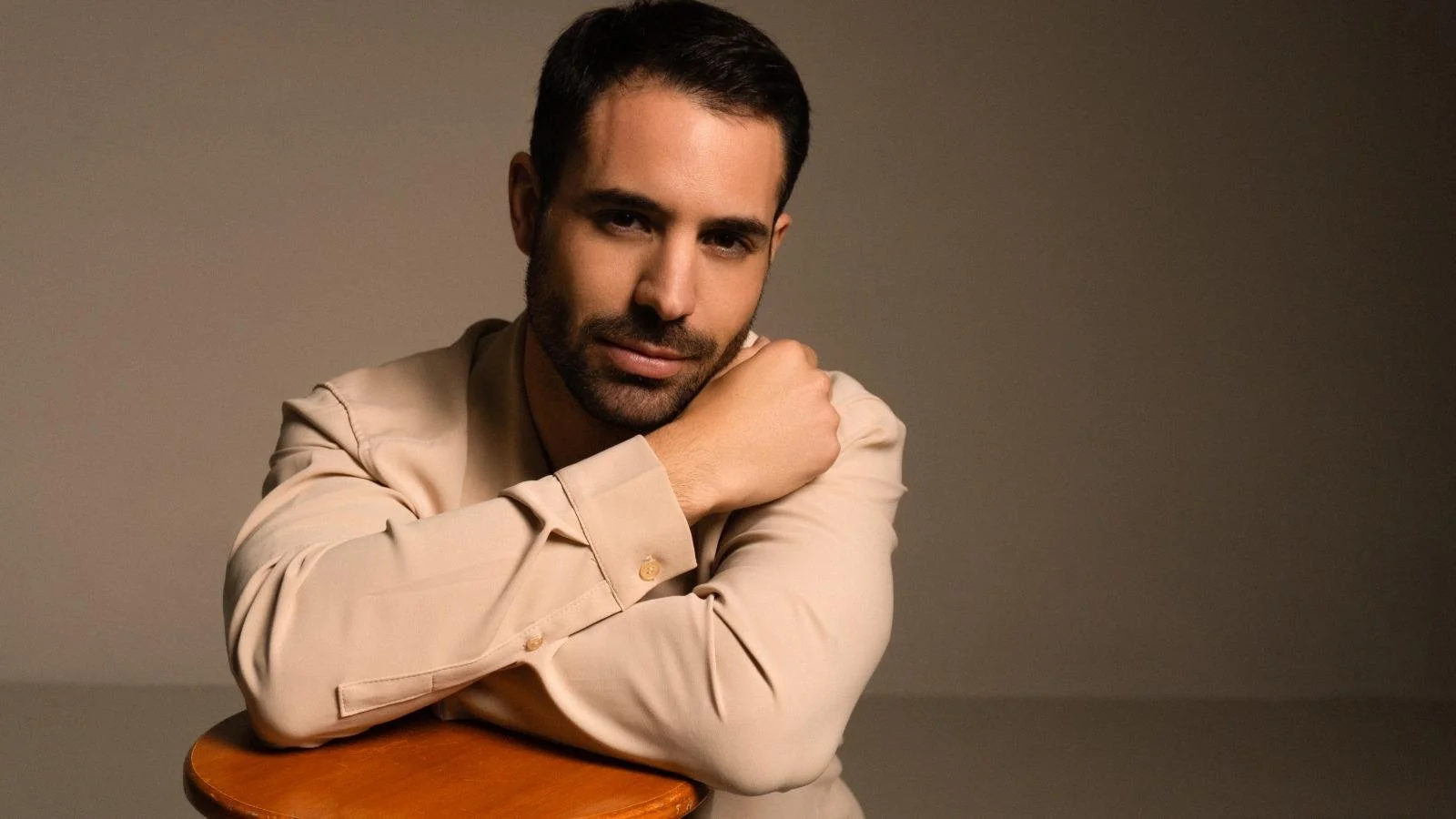
Ferreira has spent much of his professional life moving between disciplines and countries, building a career that does not respond to a single trade or a single industry. Trained in musical theater from childhood, he worked as an actor and host in Argentina, Mexico, and Spain, accumulating experience on stages, in recording studios, and on television sets. Music, however, was never a detour; it was a constant thread that accompanied every stage of his trajectory.
His decision to establish himself as a solo singer emerges from a moment of clarity rather than rupture. After years of embodying other characters and formats, Ferreira chose a creative space where voice and body function as direct vehicles of expression. His musical proposal fits within contemporary Latin pop, with a marked presence of percussion and Afro rhythms, and a lyrical focus centered on personal freedom and shared experience. More than a search for notoriety, his bet responds to a precise idea of permanence: building a sustained and honest relationship with the audience through music.
We spoke with Matías Ferreira about the transition from acting to music, the construction of a personal artistic identity, and the decision to commit to a musical project that privileges creative honesty over market formulas.
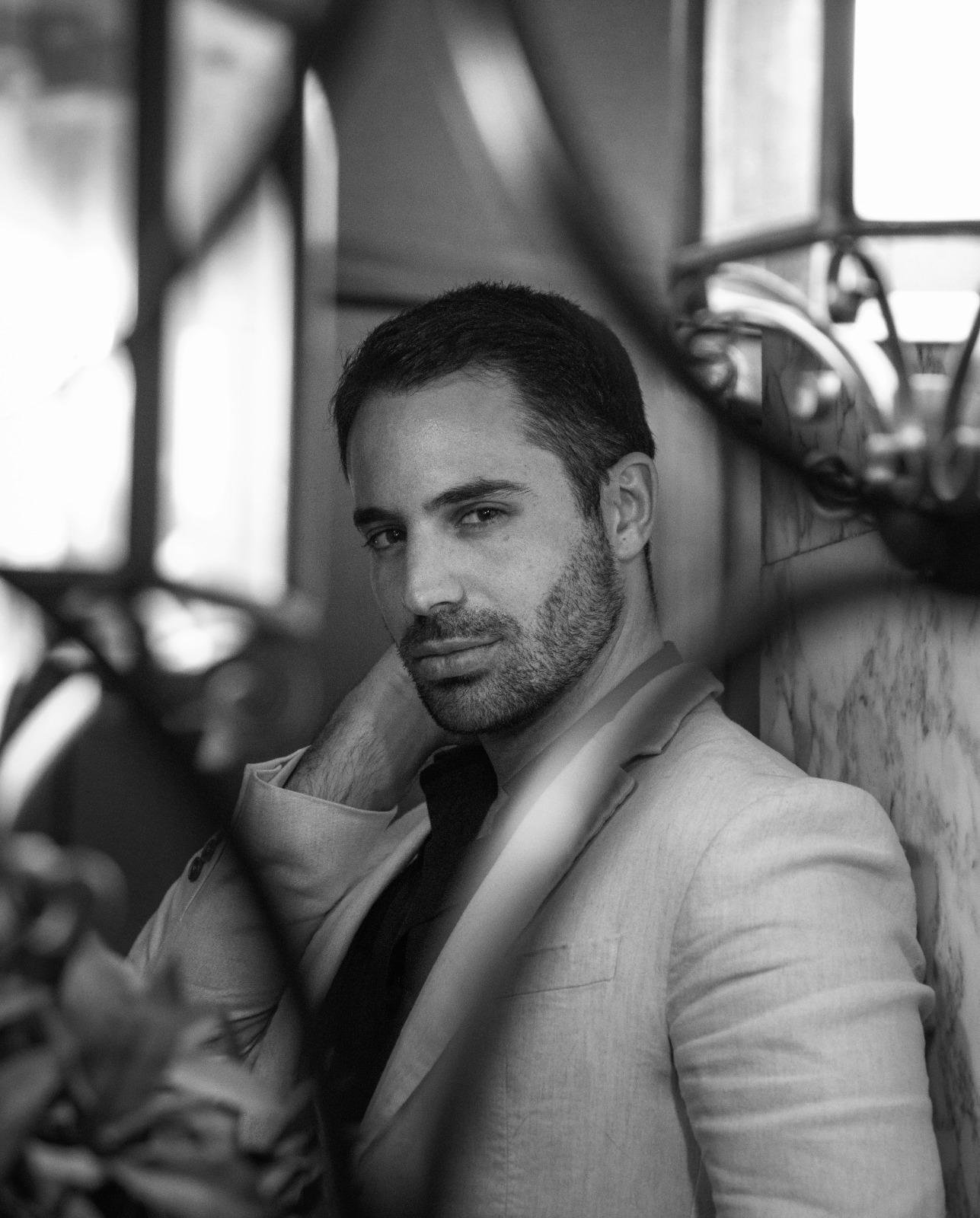
You come from a broad background in entertainment: you’ve worked as an actor, host, and creator in Argentina, Mexico, and Spain. What was the moment or experience that truly pushed you to become a singer?
I’ve always sung, acted, and danced since I was nine years old, but within musical theater. The moment I truly decided to be a solo singer was while I was recording a telenovela in Mexico, because my character was a singer. That’s when I opened myself to the universe to pursue what I really wanted to do: be on stage singing and dancing.
By making this leap into music, what do you hope to achieve? What message are you interested in conveying beyond the classic themes of love and heartbreak?
The message I want to convey is that we can all live without fear and dare to live completely free, or at least try. To overcome everything and do what we truly love and are passionate about. To be faithful to ourselves, with our flaws and virtues, and to love ourselves fully.
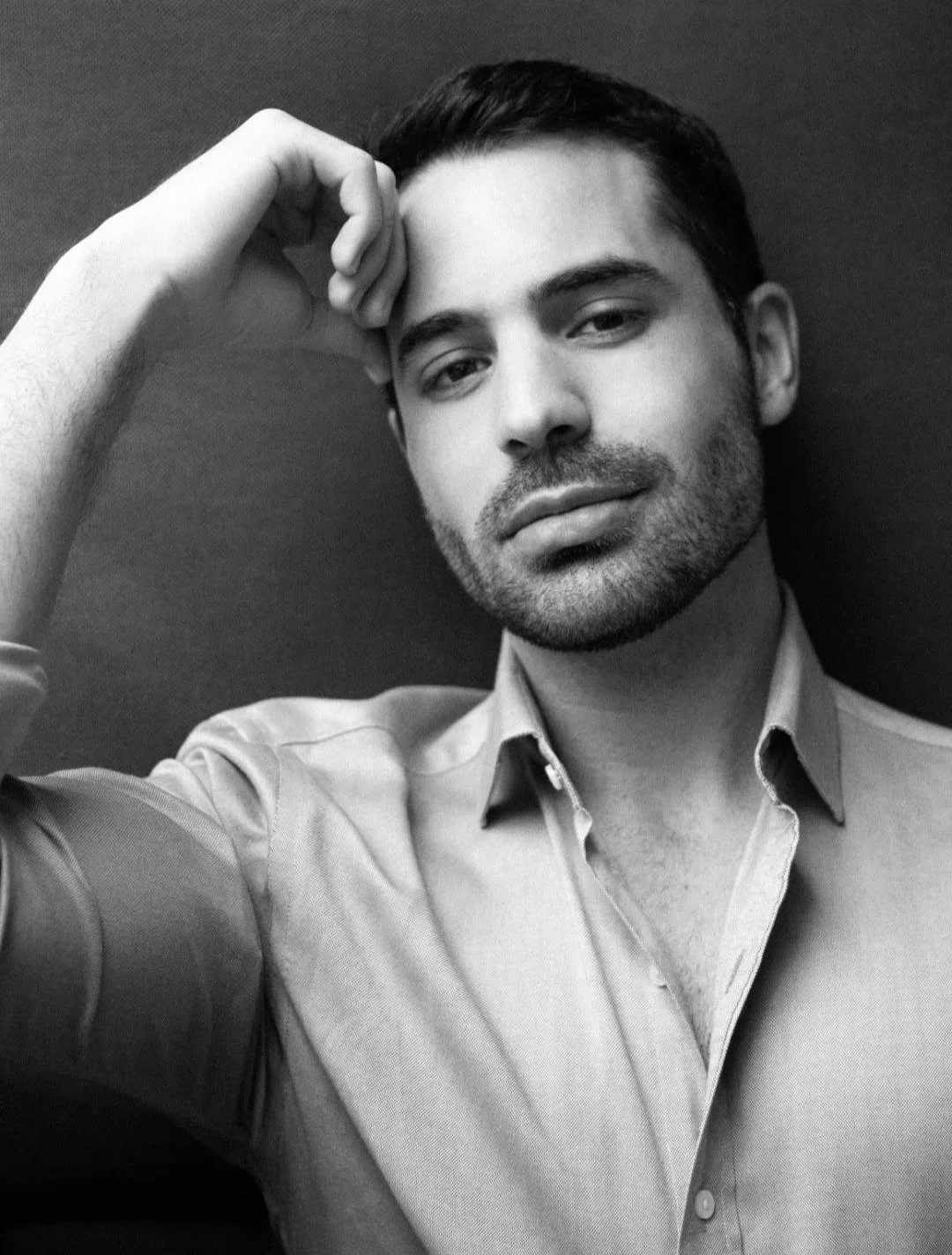
In terms of musical genre, where do you see yourself? What sounds, rhythms, or influences are guiding your artistic identity at this stage?
Right now, I’m very much guided by Latin pop: lots of drums, lots of percussion, lots of Afro influences, lots of life and joy. I want my music to always have a good message, with a rhythm that invites you to dance and give it your all.
What is your real aspiration within the music market? Do you see yourself occupying a specific niche or aiming for a more global audience?
My aspiration as a singer is that, through my voice, many hearts can connect with my message. I always say that the experiences I convey in my lyrics are things every human being has gone through to a greater or lesser extent. For example, we’ve all had our hearts broken at some point. As for a niche, I want to focus on a more global audience, so people from anywhere in the world can connect with my music in some way.
Some might interpret your move into music as a response to a lack of opportunities in acting. How do you respond to those who believe it’s a decision motivated by economic necessity or lack of visibility?
I’d never thought of it that way, but returning to my music is really a response to finally realizing that this is what I want to do for the rest of my life. It’s what fulfills me most as an artist. The stage is my safe place in the world.
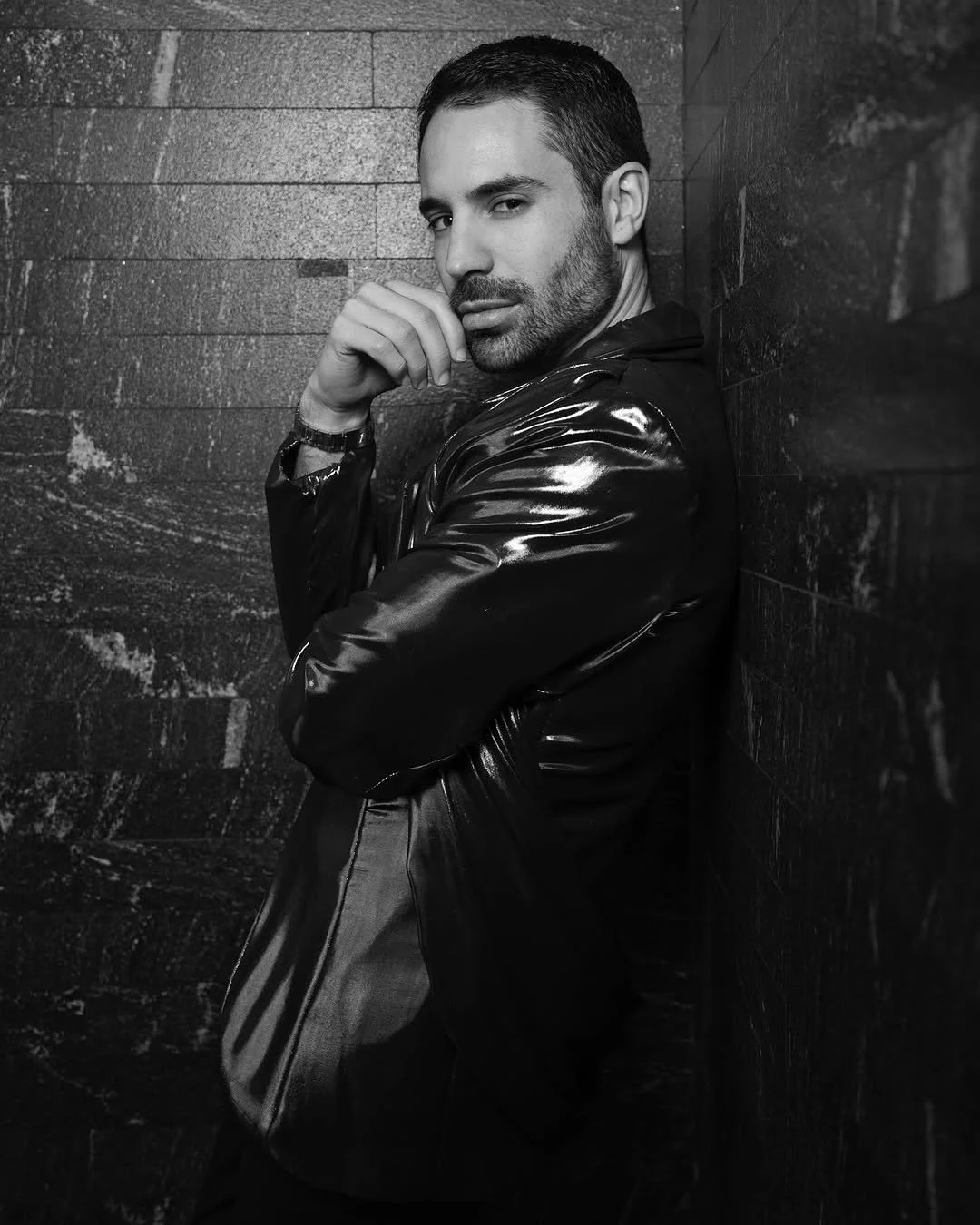
You mentioned in an interview that a major TV network in Mexico rejected you for not mastering a neutral accent. Did that episode influence your decision to seek a new artistic platform like music?
No, I truly didn’t take it as a rejection because I knew it was going to happen. In Mexico, you have to speak with a neutral accent for their projects, so if I wanted to work in that industry, I had to neutralize my accent and that’s what I did.
If your music were to generate a positive impact and a strong connection with the audience, what kind of success do you envision for yourself? Do you think about awards like a Grammy, or do you measure success differently?
For me, success is being able to live off what you truly love doing. A person who lives from their passion is already a successful person. Of course, I’d love to win a Grammy someday; awards are a boost and a recognition of the effort you’ve been putting in. But my real success is every person who writes to me saying, “your music touched my heart.”
You’ve said it took time to find balance with neutral Spanish. Given current trends, would you dare to explore more urban or street accents, like Bad Bunny’s style, to make your music more commercial and organic?
Honestly, when I started in music, my label at the time forced me to do reggaeton because it was what was trending. I knew it wasn’t for me because of my vocal style, the way I dress, and the kind of lyrics that genre often conveys. I didn’t feel identified with it, and I wasn’t happy doing it. That’s precisely why I wouldn’t explore that genre again.
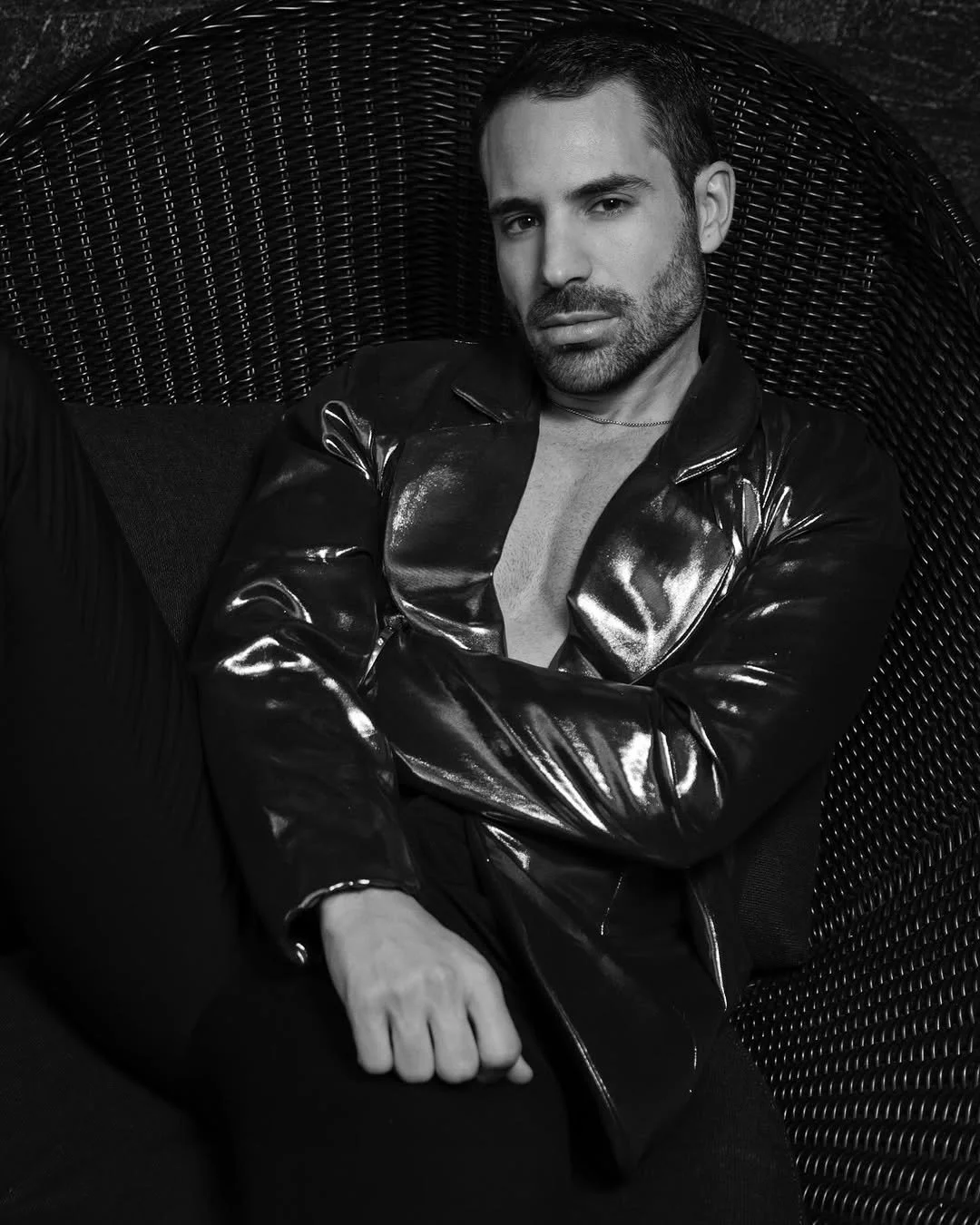
You’ve worked in three different entertainment industries. From your personal experience, how difficult is it really to break into the Mexican market? In which country did you feel the greatest barriers?
I think being a singer and having your own music is one of the most difficult challenges. You have to be very consistent, and the key in this career is never giving up. It’s the biggest challenge I’ve faced in my life. The country where I used to feel the most barriers was my own, because I felt I wasn’t being supported and couldn’t grow. Even though it’s my country and I love it, it was where I felt the most obstacles. Today, thank God, that has changed a lot, and I feel very supported by my people.
You’ve shared that on a project in Mexico you were fed lines through an earpiece, which made the process difficult because you’re not used to working that way. What did that experience teach you about your identity as an actor?
It taught me that in this career you have to be prepared for everything to adapt to new ways of acting and new recording methods. It was a nice challenge, although I always prefer to learn my lines and connect with my character.
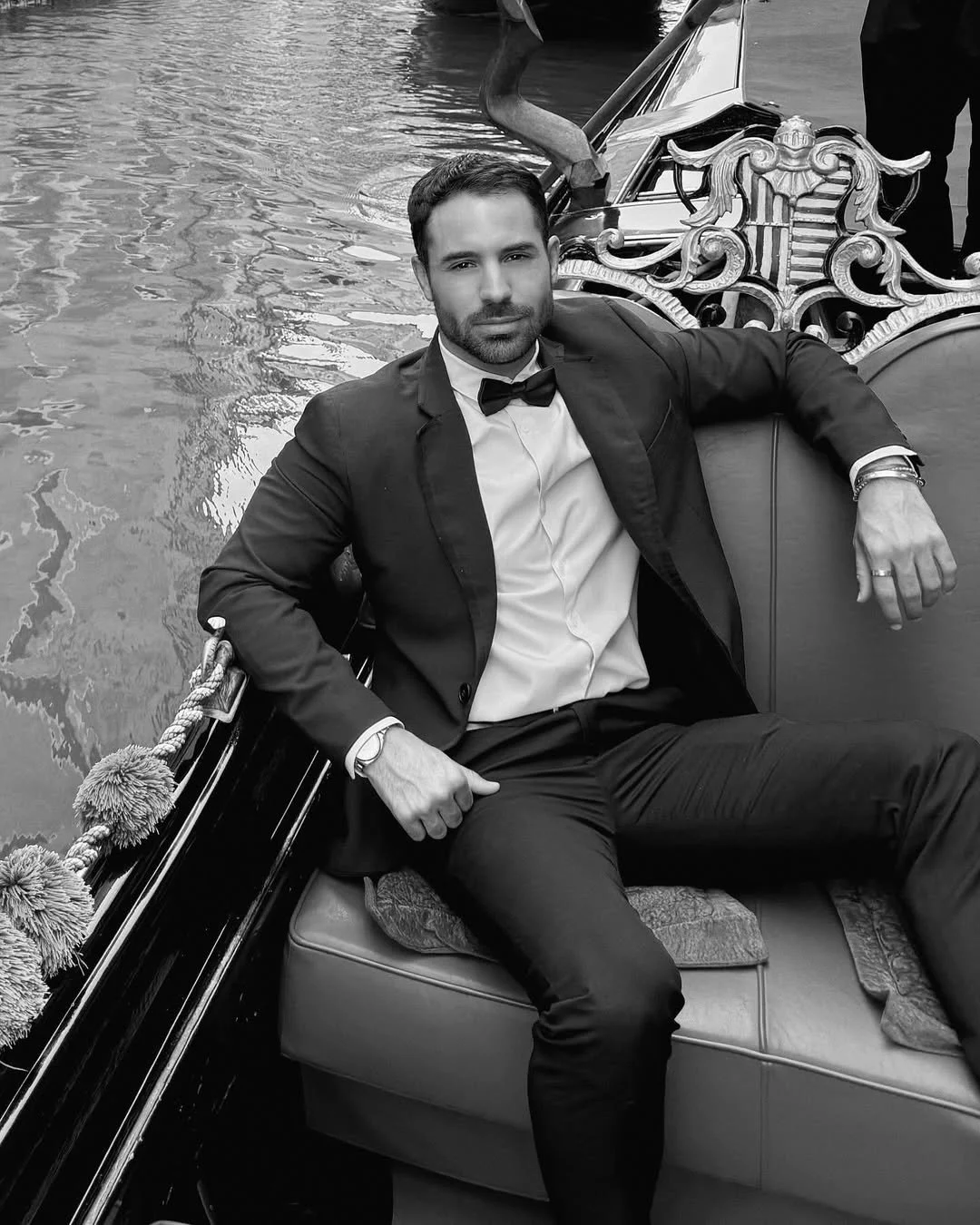
Moving into a creative realm: how does fashion help you communicate who you are? What role does it play in your narrative as an artist?
Fashion is important in any career. I’ve always liked it, although ironically many times I go against it: I like what’s different, not wearing what’s trendy at the moment. Sometimes I clash with fashion, but it’s clearly something I’ve always enjoyed. Since I was a teenager, I’ve walked runways and worked as a model for major brands.
How do you define your personal style, both in daily life and on stage?
I couldn’t say anything concrete. I think everyone has their own style; no two people are the same. You have to be true to yourself and not betray yourself just to please others. I have a very personal style: I do and wear whatever I like at the moment and feel like wearing, haha.
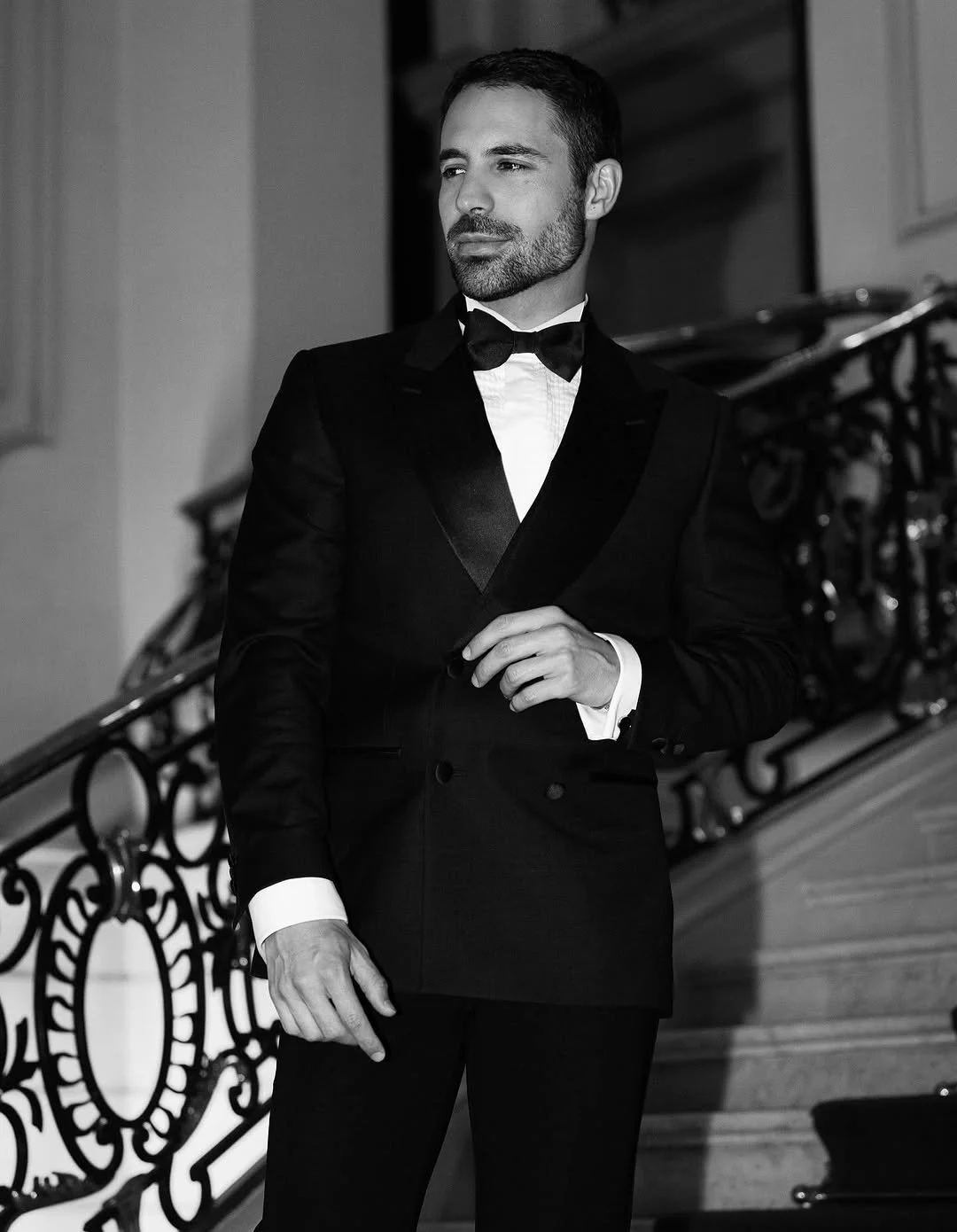
If you could go back in time, would you choose again to dedicate yourself to the entertainment world? Or were there moments when you thought about quitting?
I’ve thought about quitting many times. In fact, I stopped singing for five years and completely distanced myself from music, and today I think that was one of my biggest mistakes and I would never do it again. Without a doubt, I would tell God again that I want to be a Singer although I’d also ask Him to make it a bit easier and not so complicated, haha.
To close: after so many years of movement, auditions, travel, and reinvention… what truly fuels your passion for your work? What keeps you going?
What I’m most passionate about in my work is seeing how what I love doing most can, in some way, help this world: generate more love, more tolerance, and more faith in oneself. Leaving something on this earth in my case, music. We all came here for a reason; it’s a matter of finding ourselves along the path that feels most aligned with our mission. What always keeps me going is my tribe: my people, my audience, and my friends who support me every time I release a new song.