
MÉTIERS D’ART 2026: MATTHIEU BLAZY TURNS THE NEW YORK SUBWAY INTO A NEW VISION OF LUXURY
An abandoned subway station becomes the most unexpected stage for contemporary luxury. Here, Chanel redefines elegance through a vision that marries exquisite craftsmanship with real life.
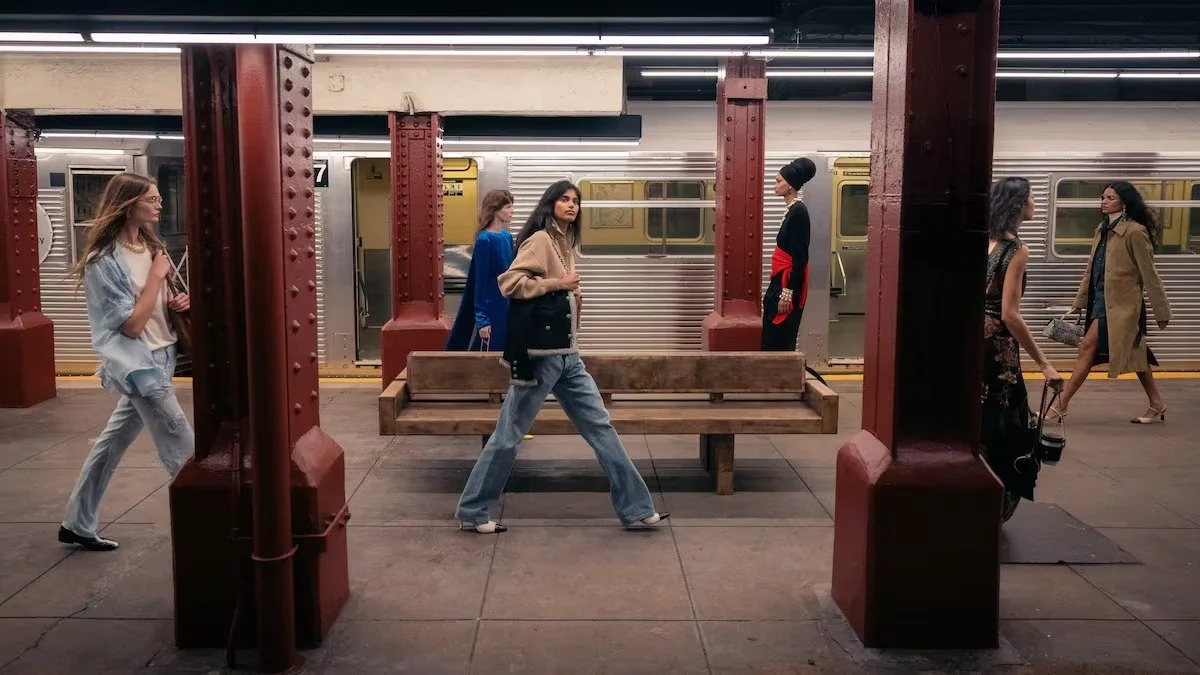
In a city where haste becomes choreography and every platform feels like a stage for stories in motion, Chanel chose the most surprising gesture: transforming an abandoned subway station into the year’s most influential runway. This is how Matthieu Blazy debuted his Métiers d’Art 2026 collection, signing a historic chapter that rewrites the maison’s codes from a space as democratic as it is magnetic. New York with its blend of effortless elegance and sophisticated chaos became the silent ally of a narrative that honors French craftsmanship while embracing everyday life.
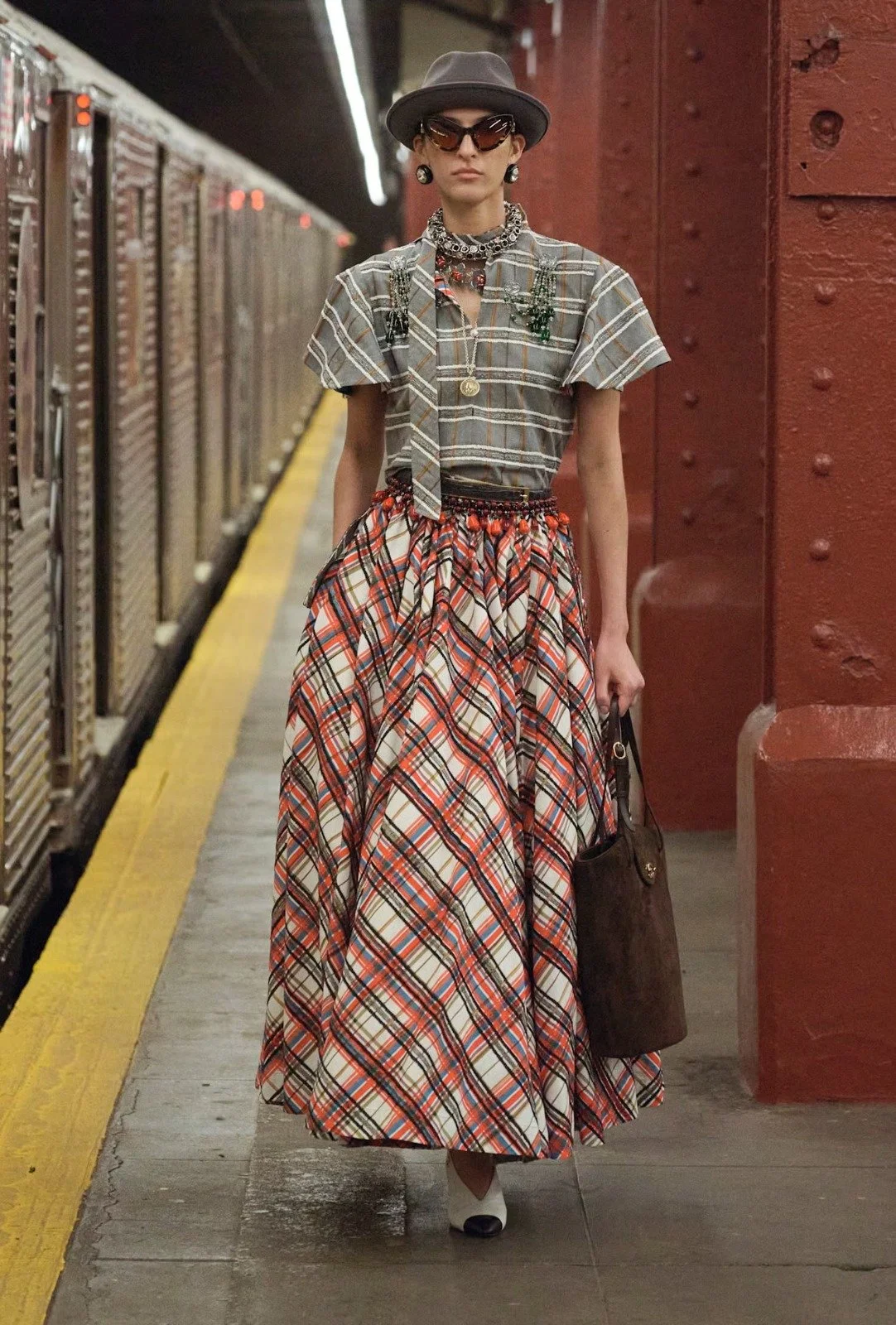
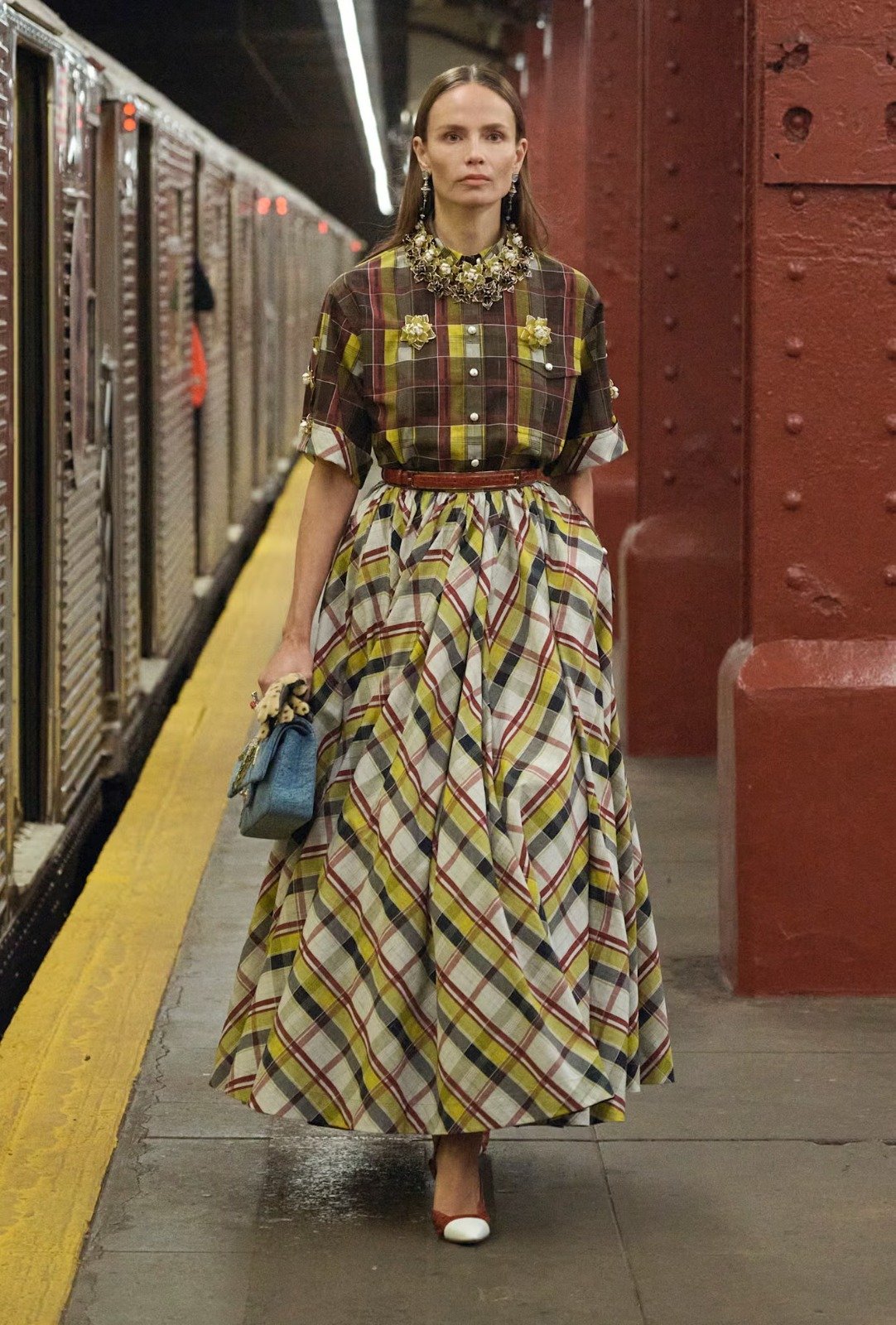
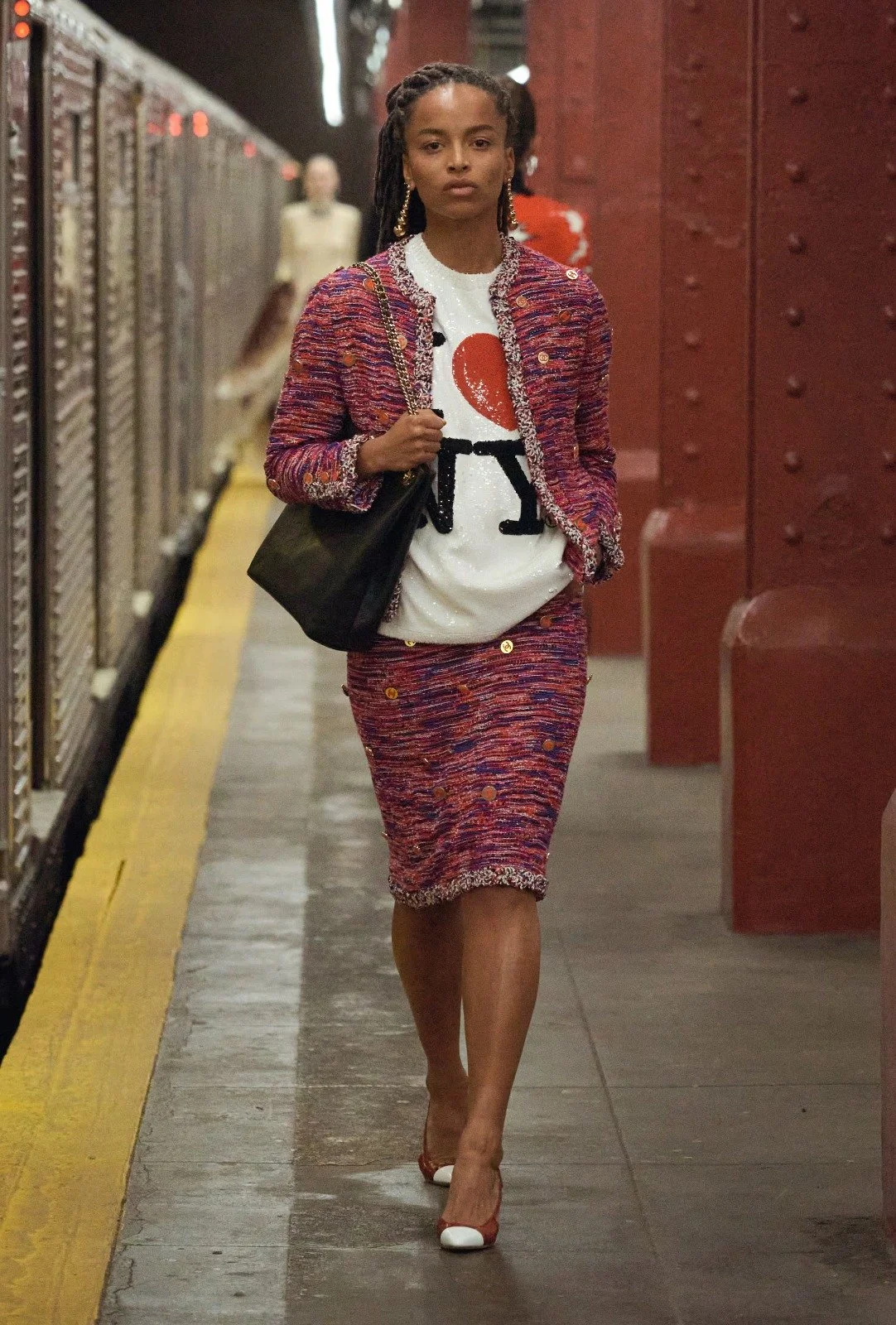
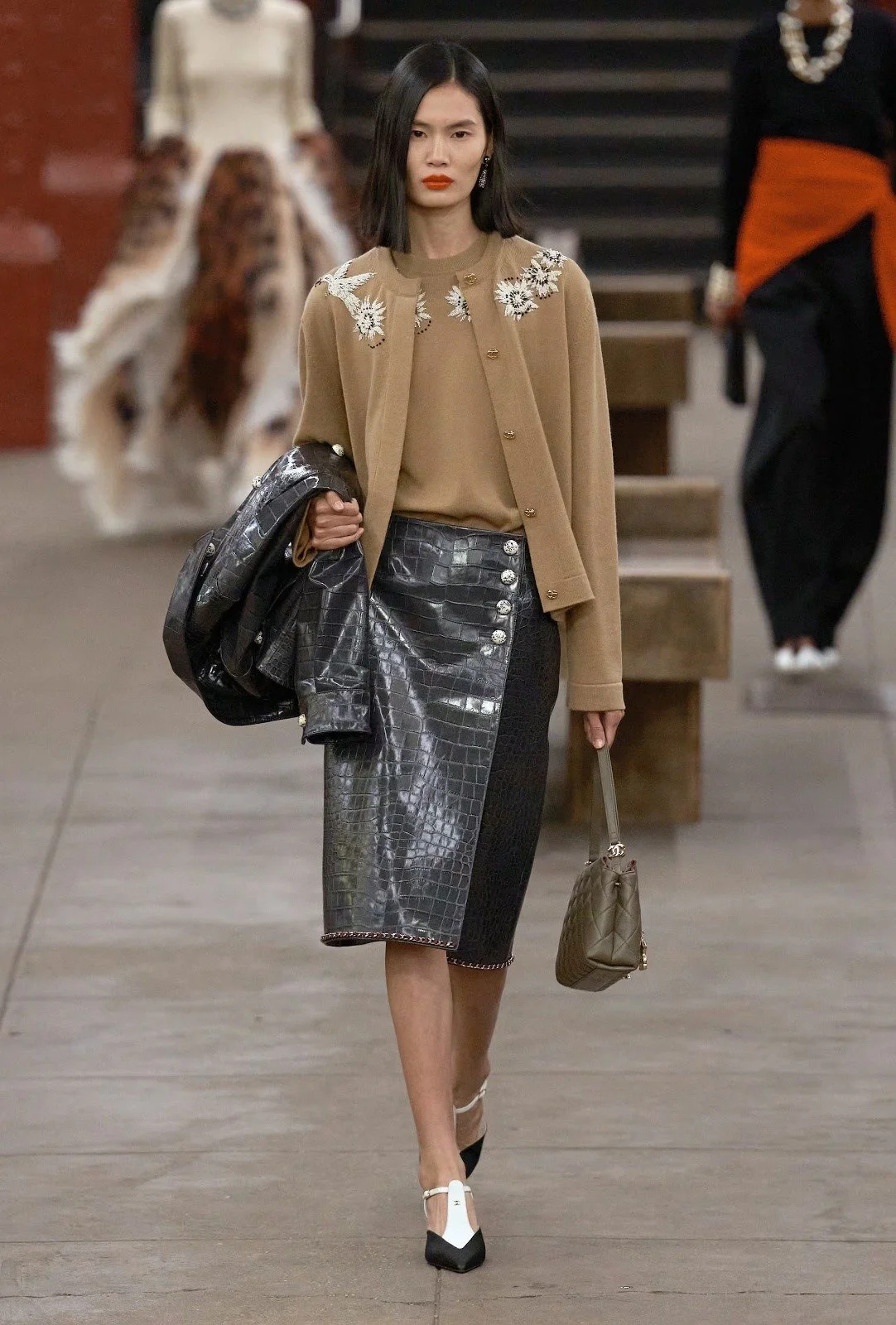
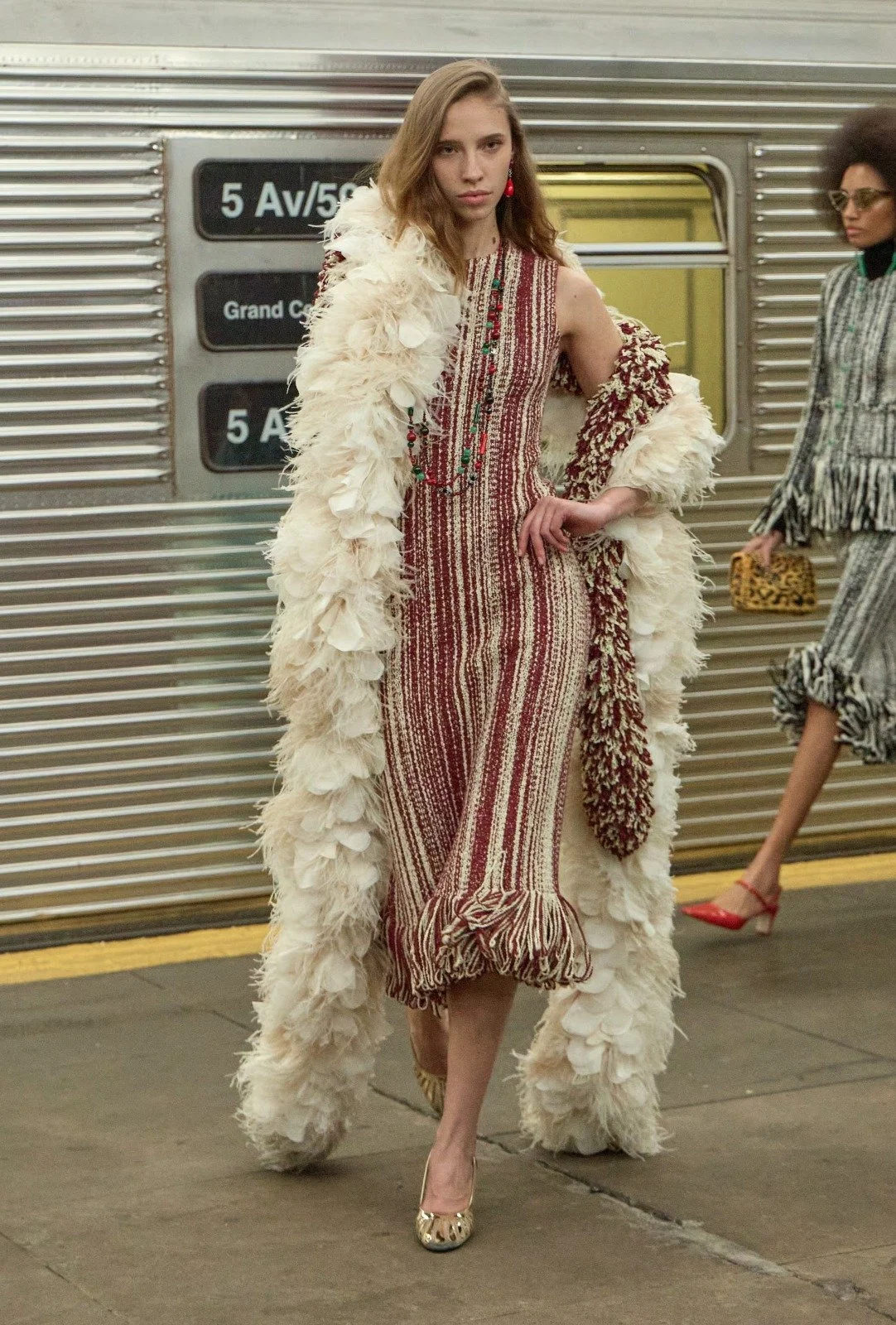
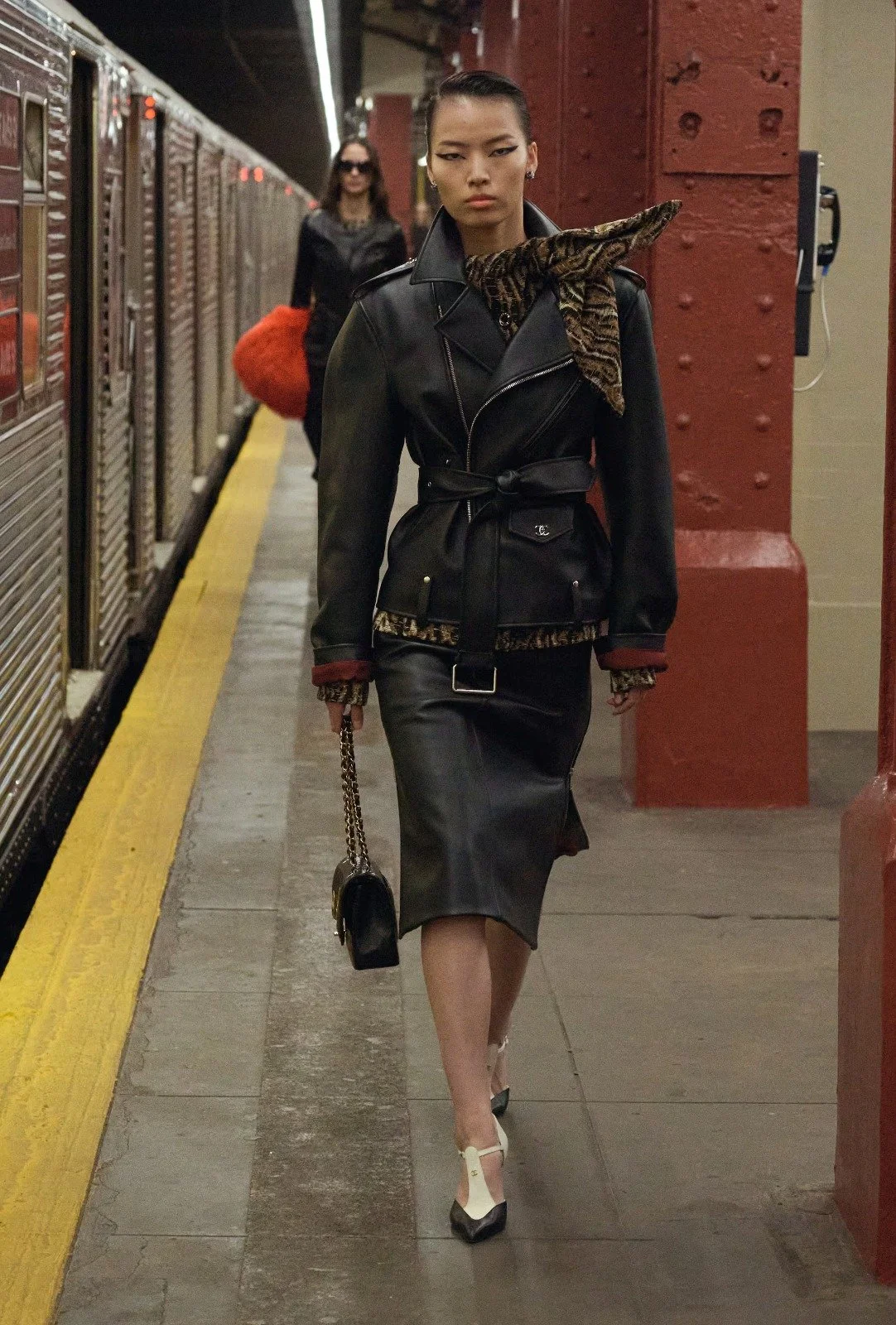
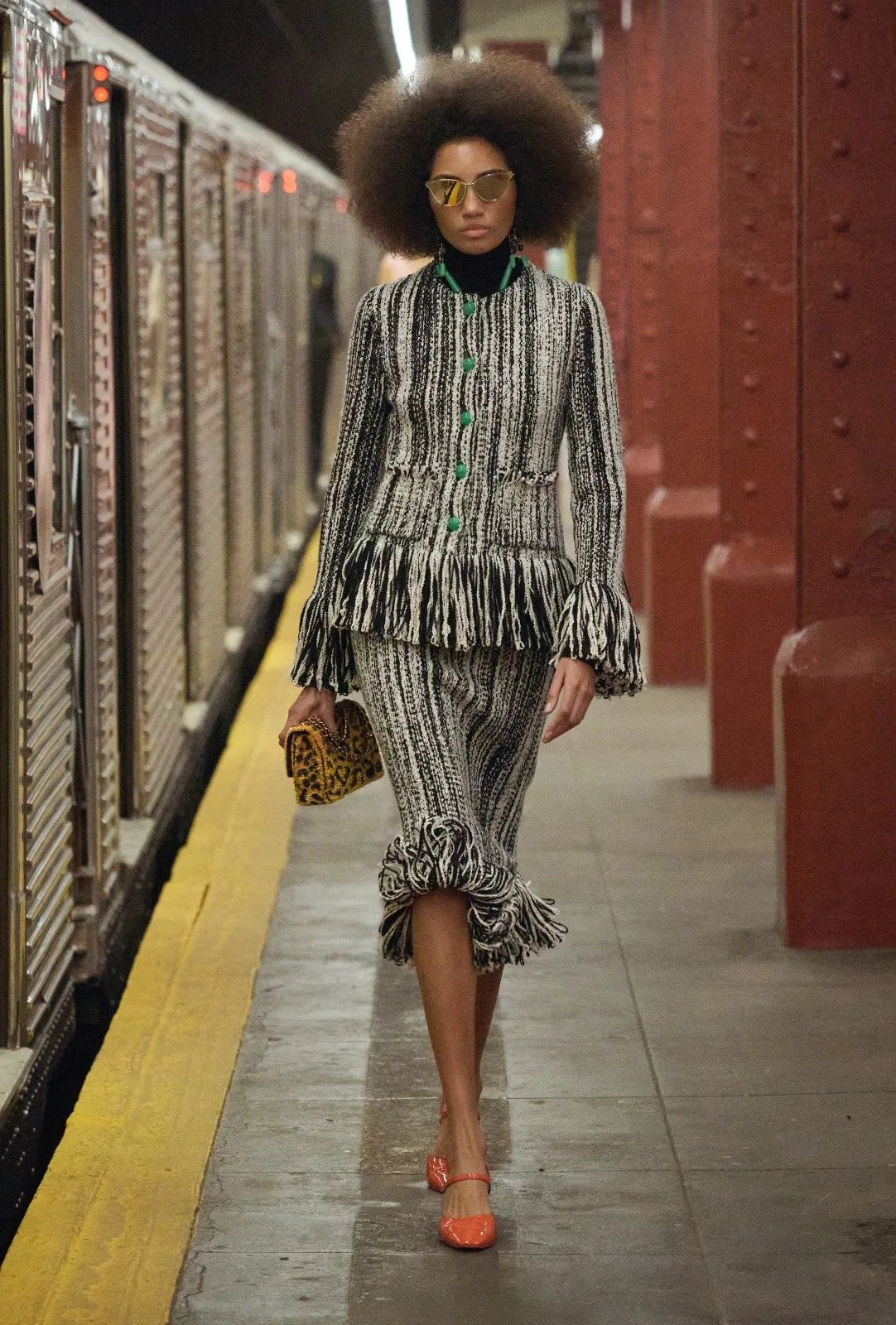
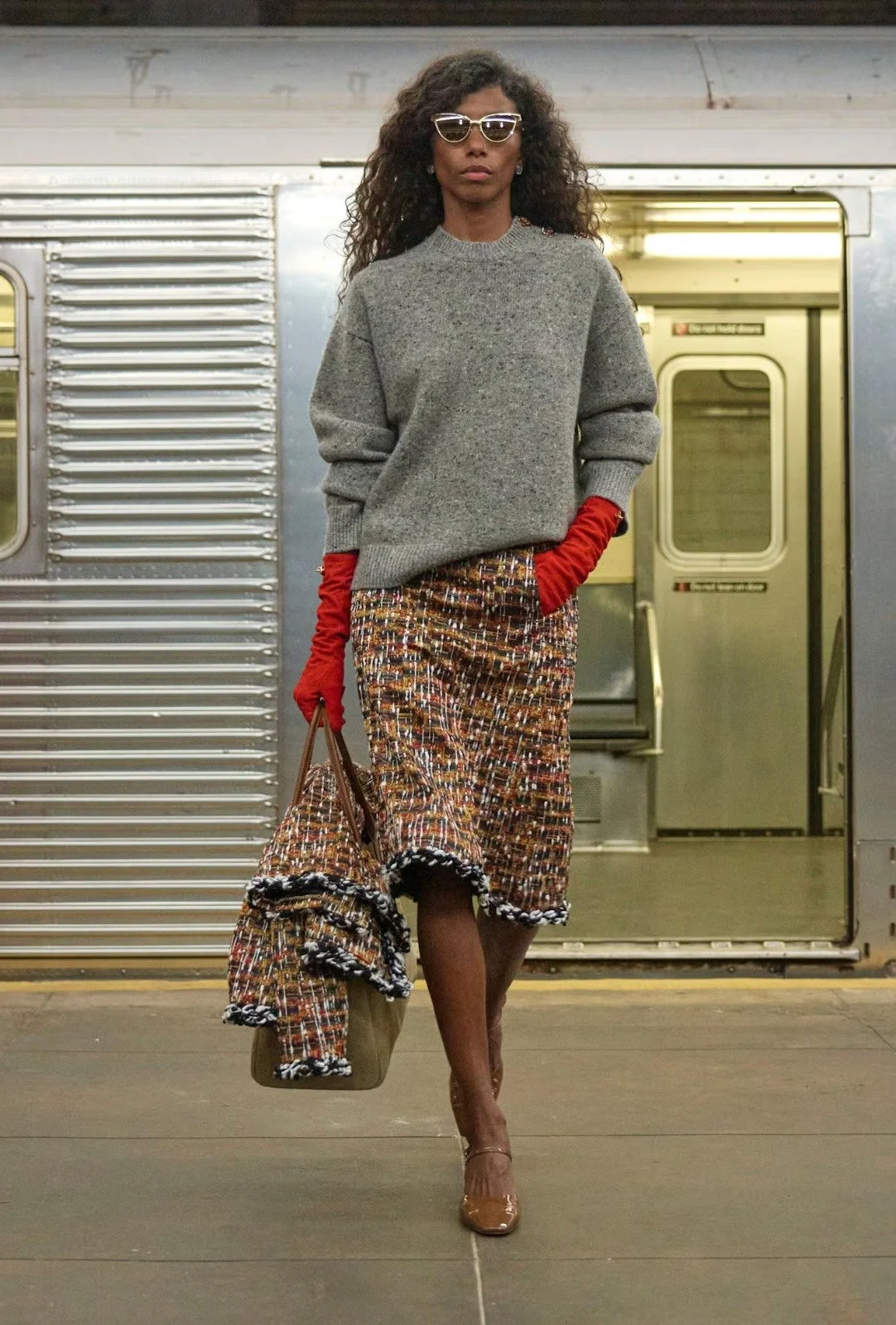
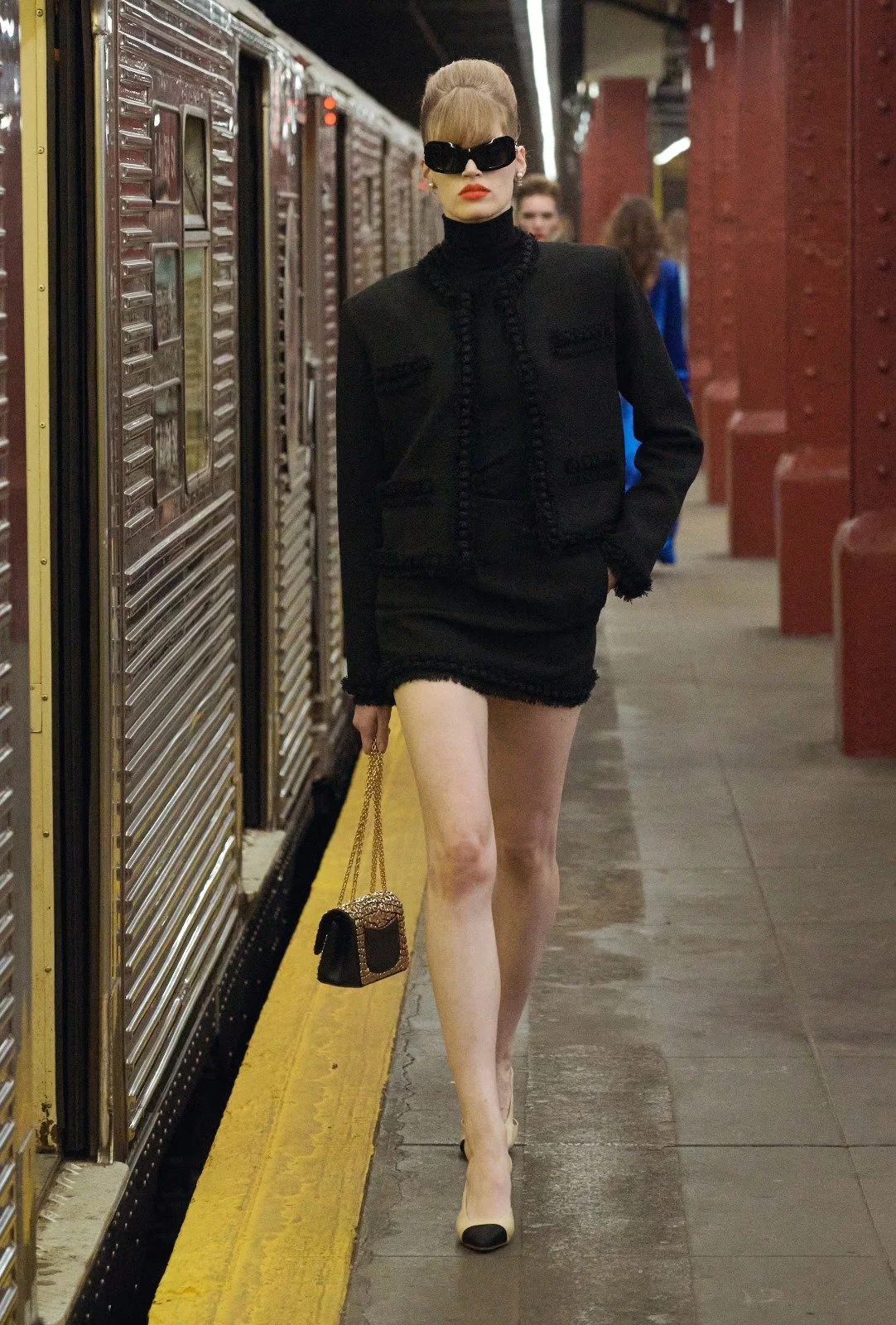
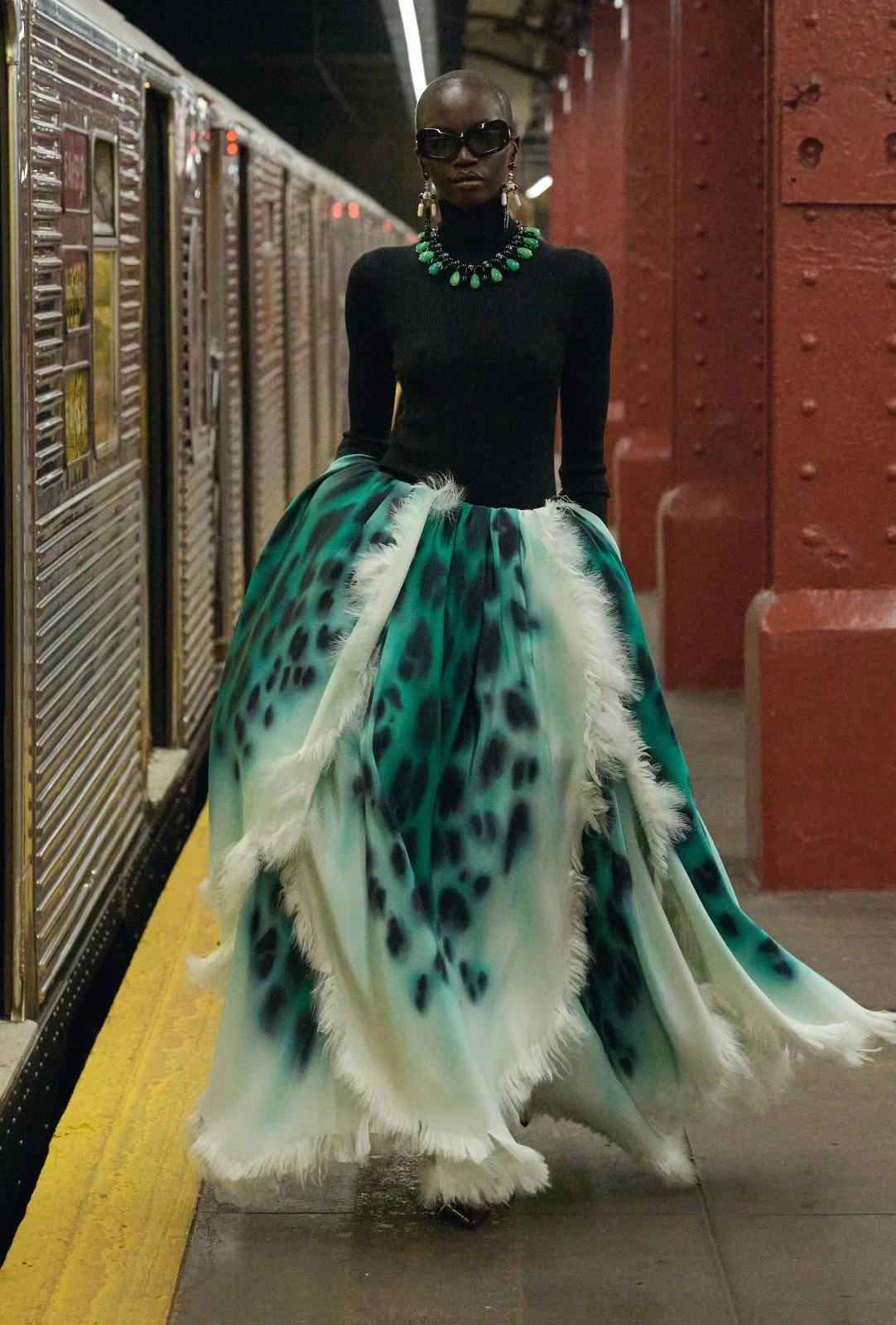
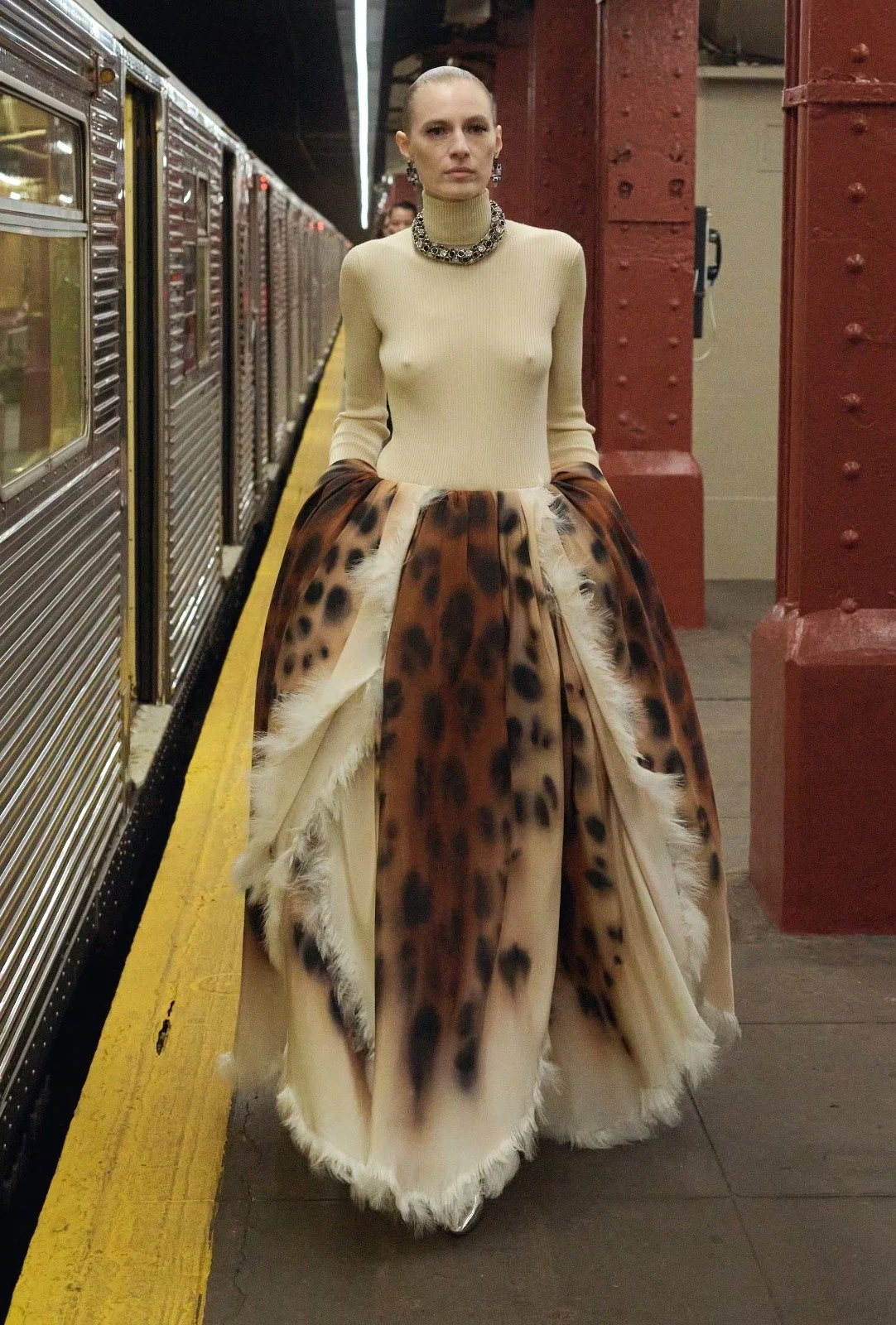
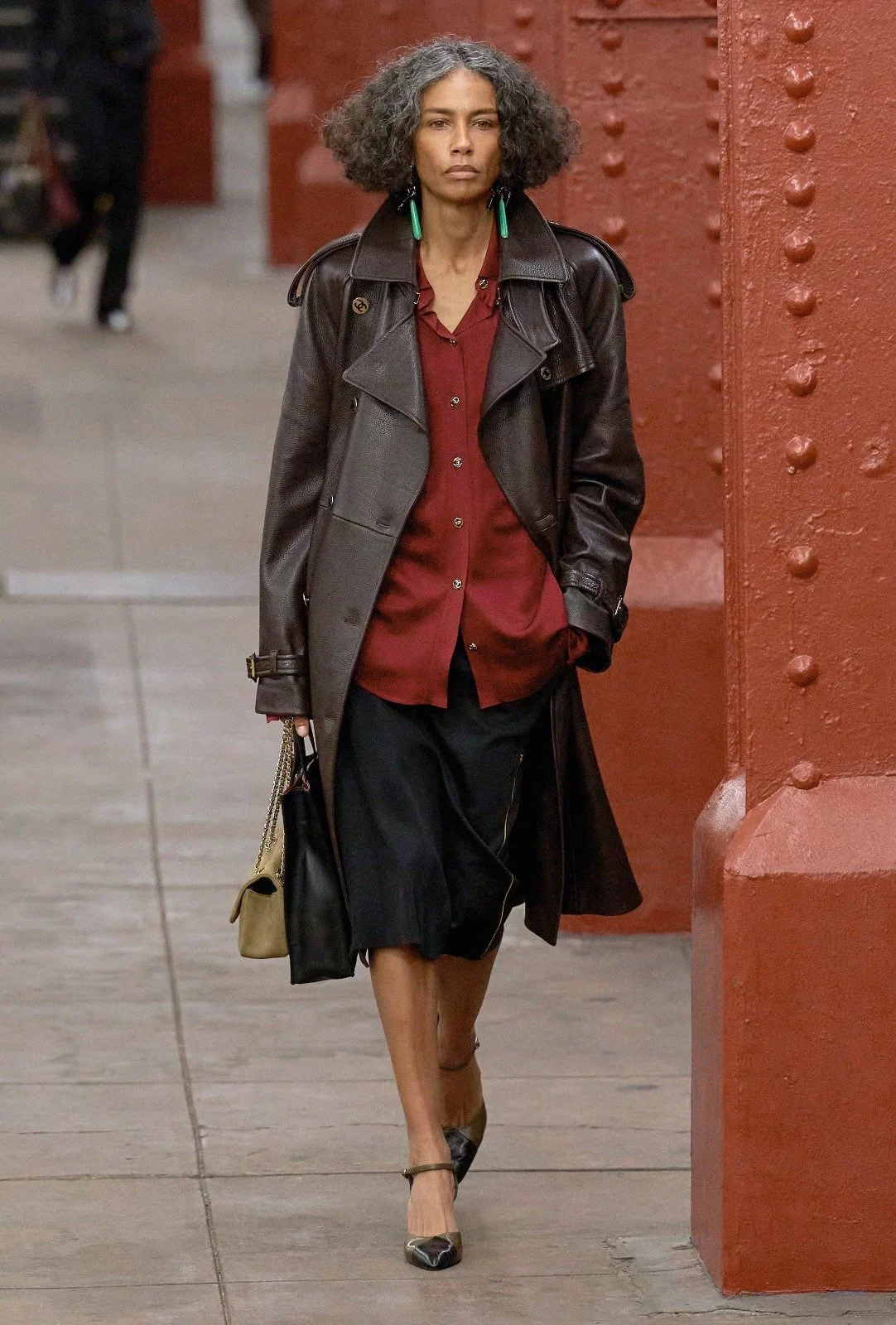
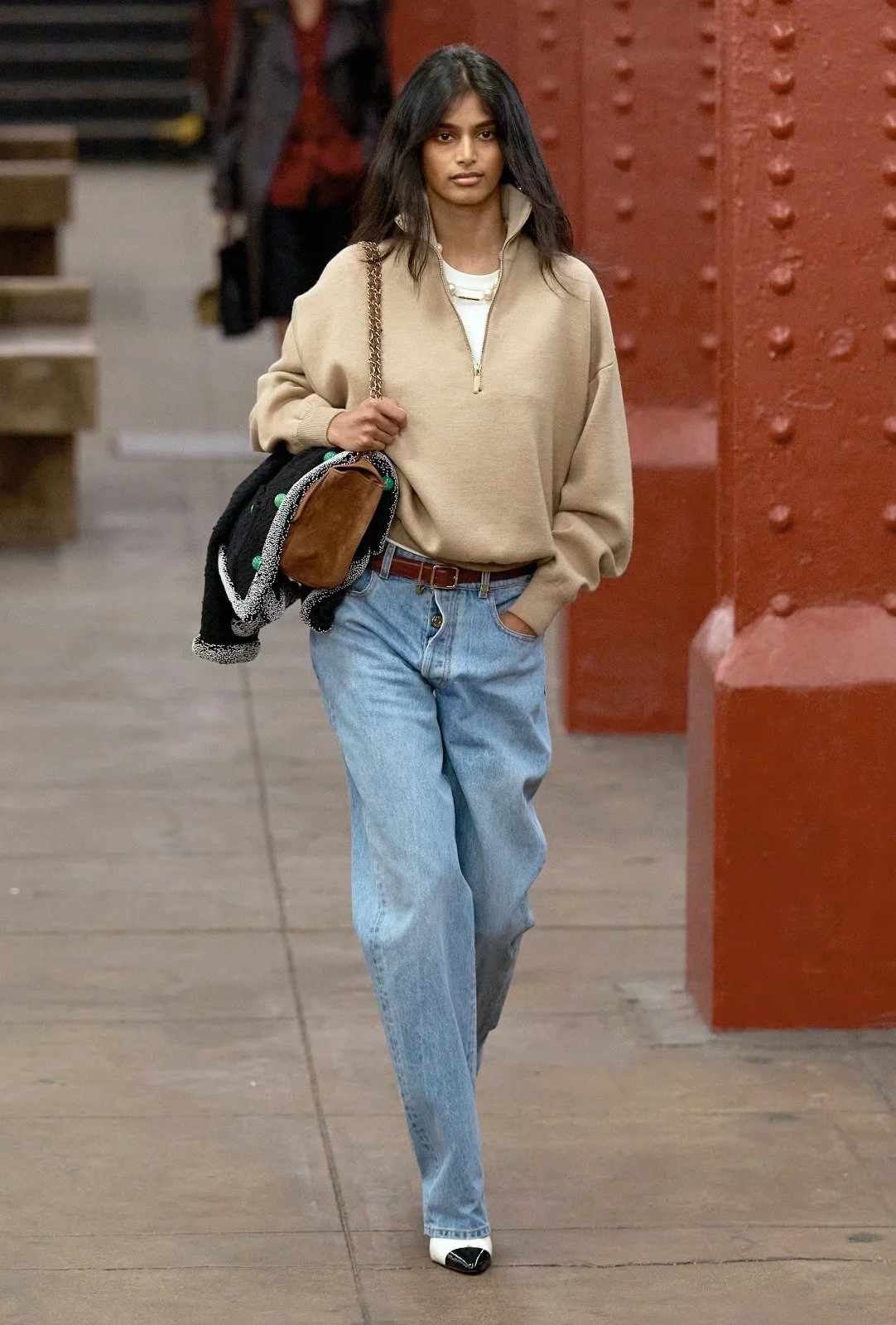
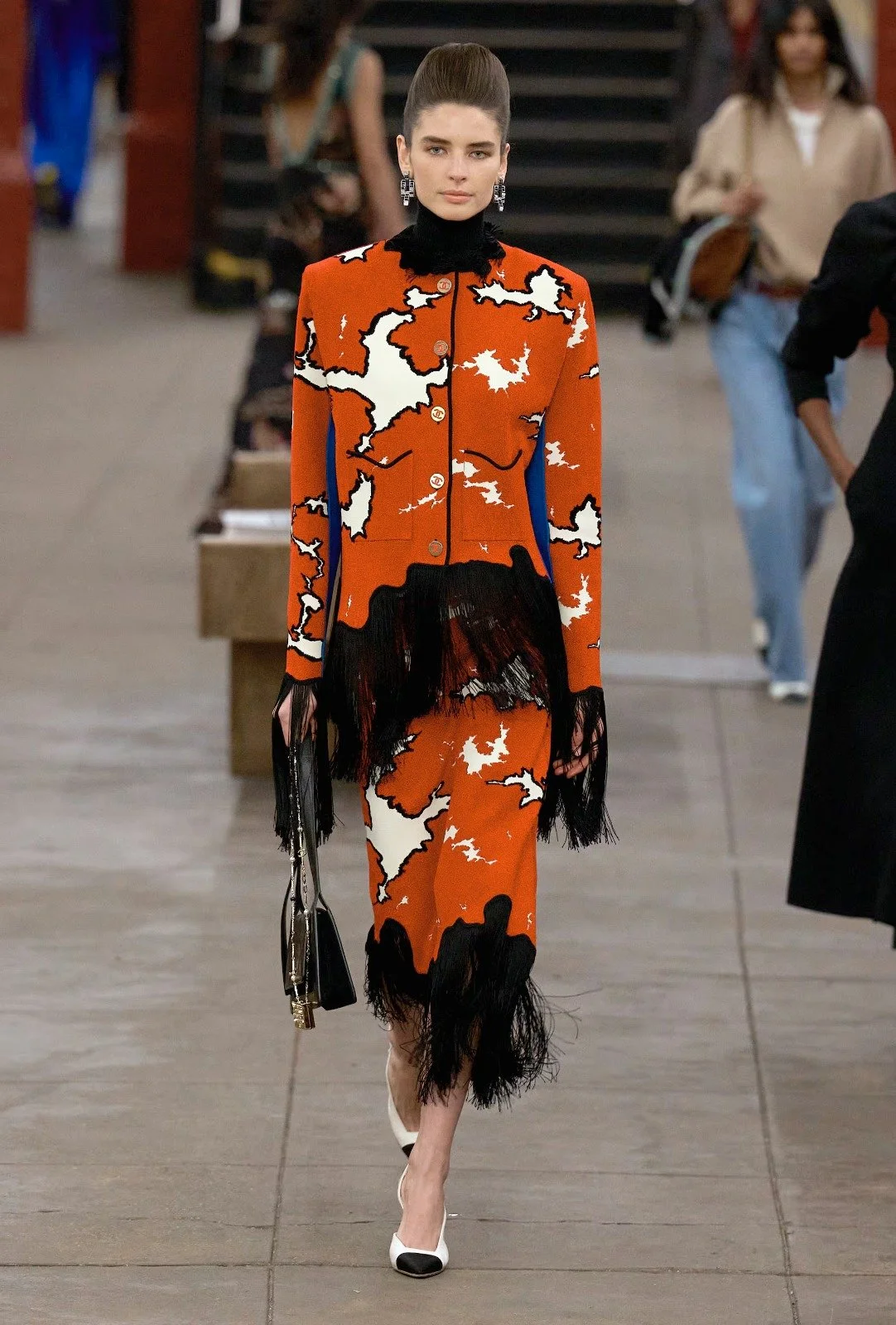
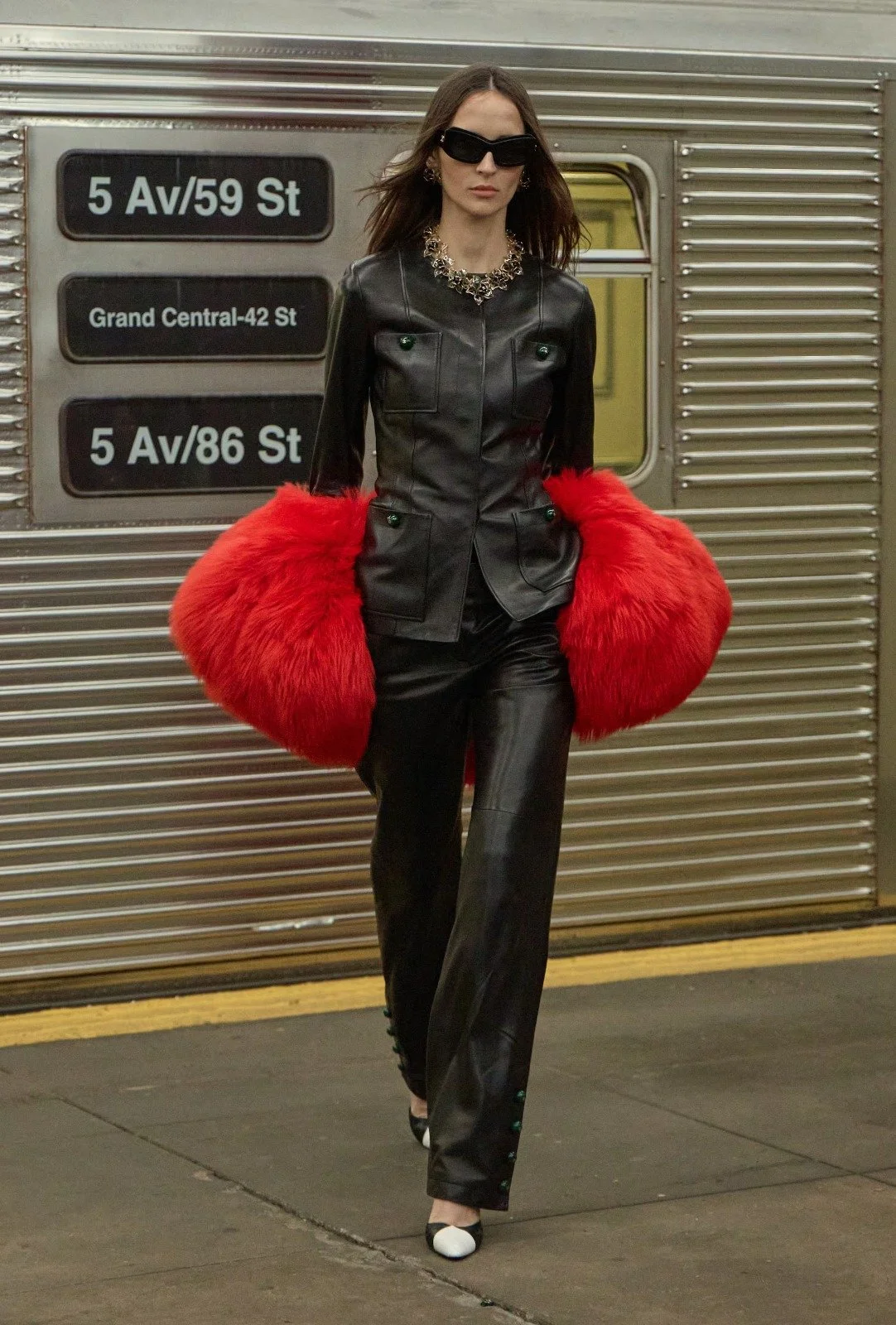
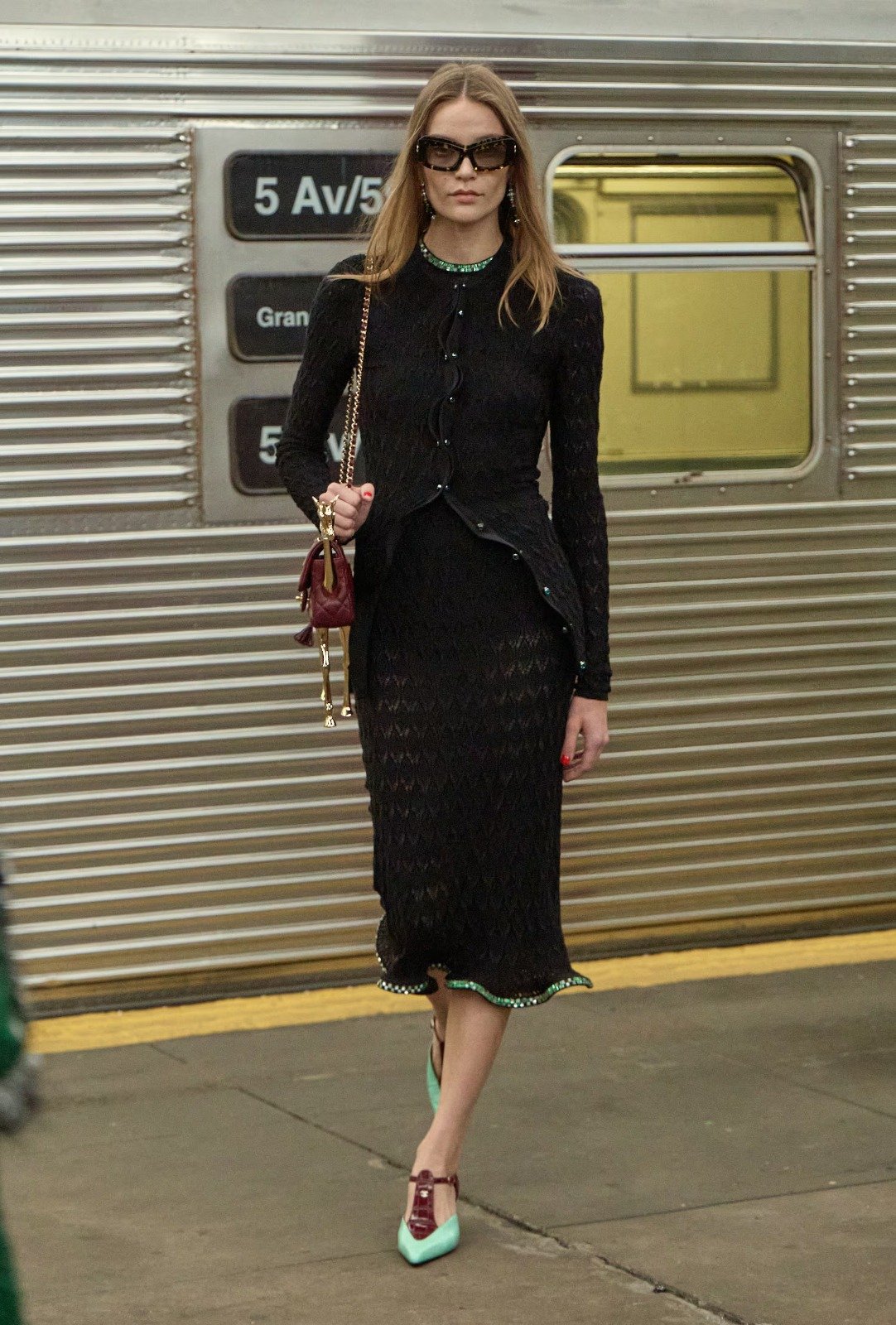
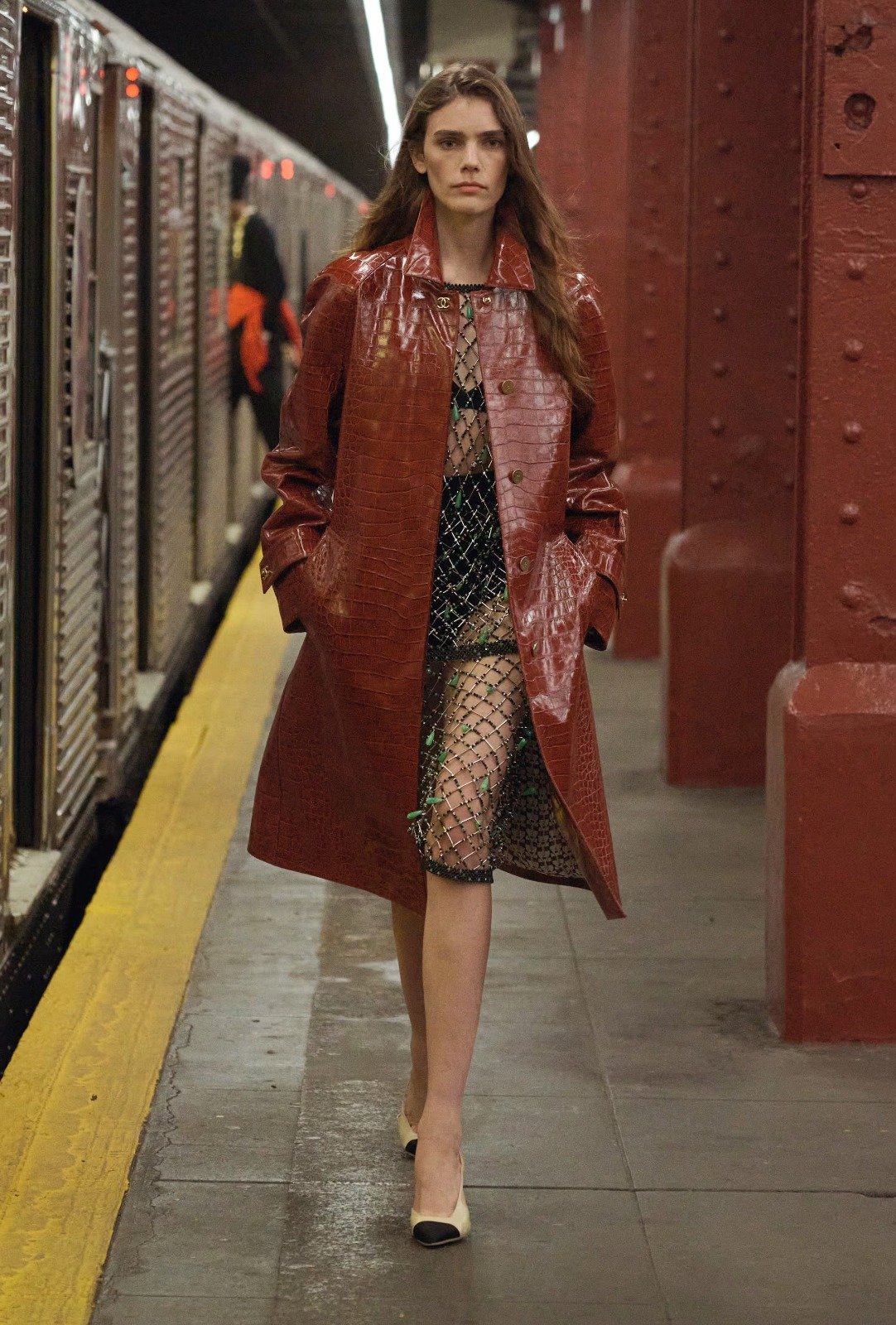
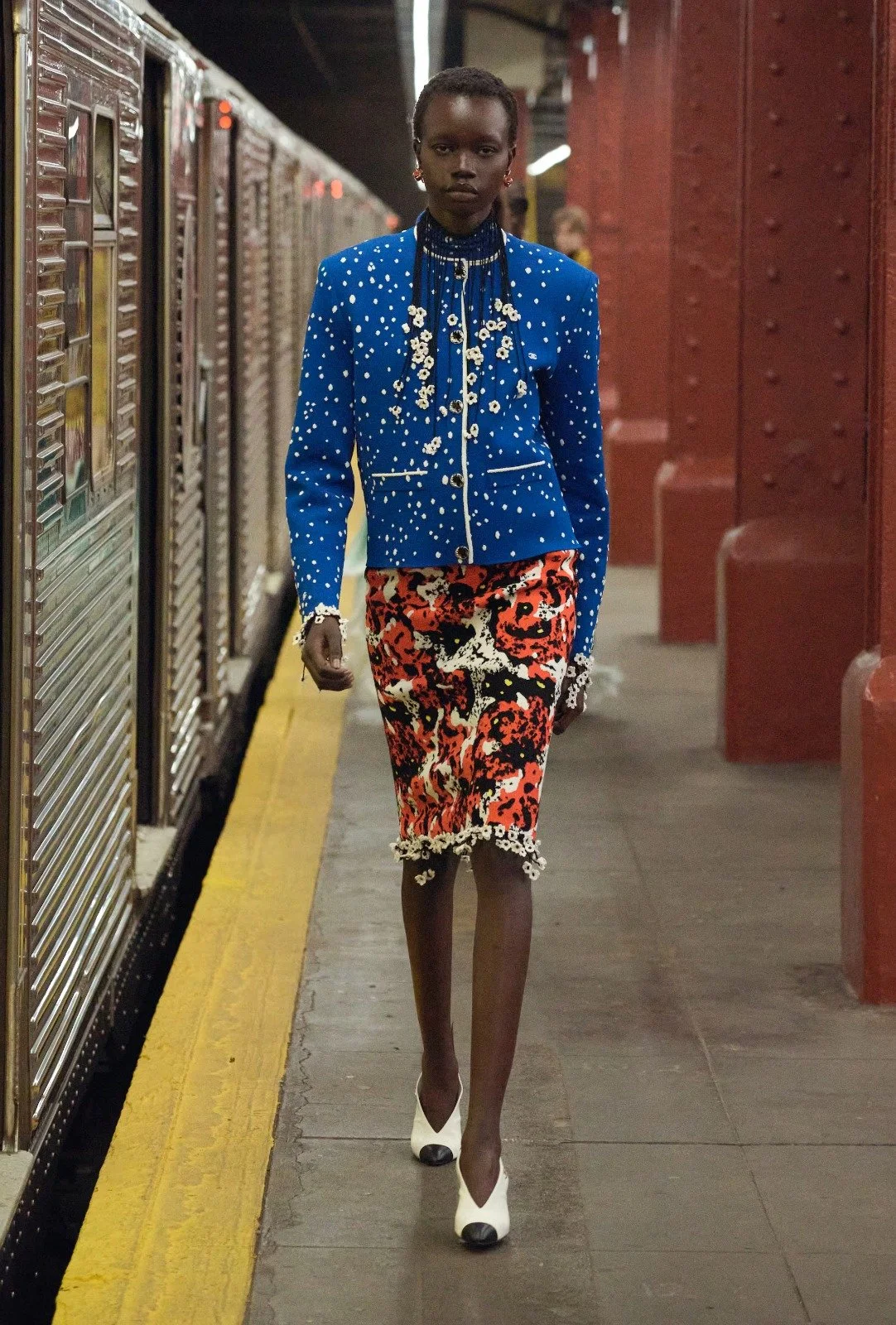
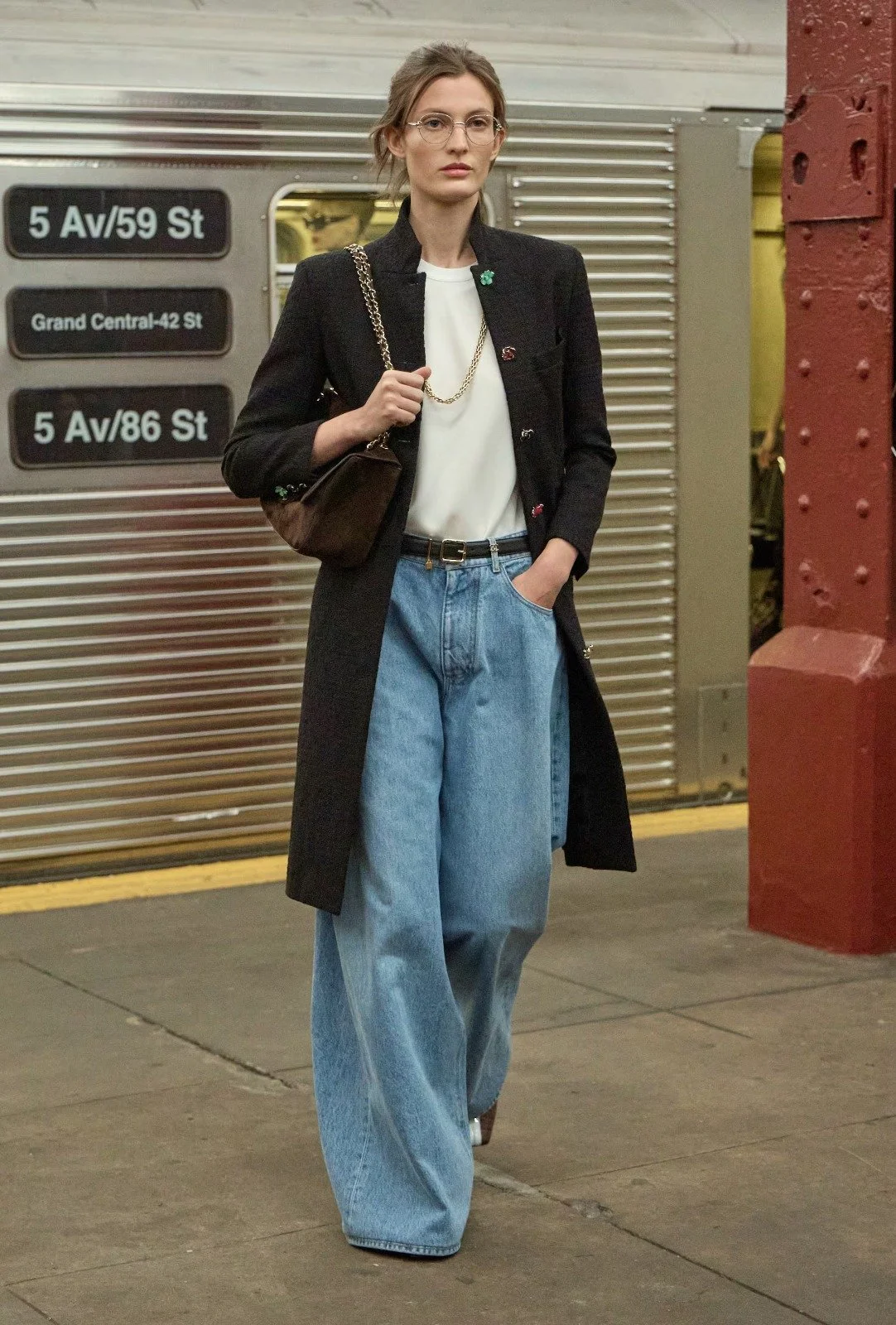
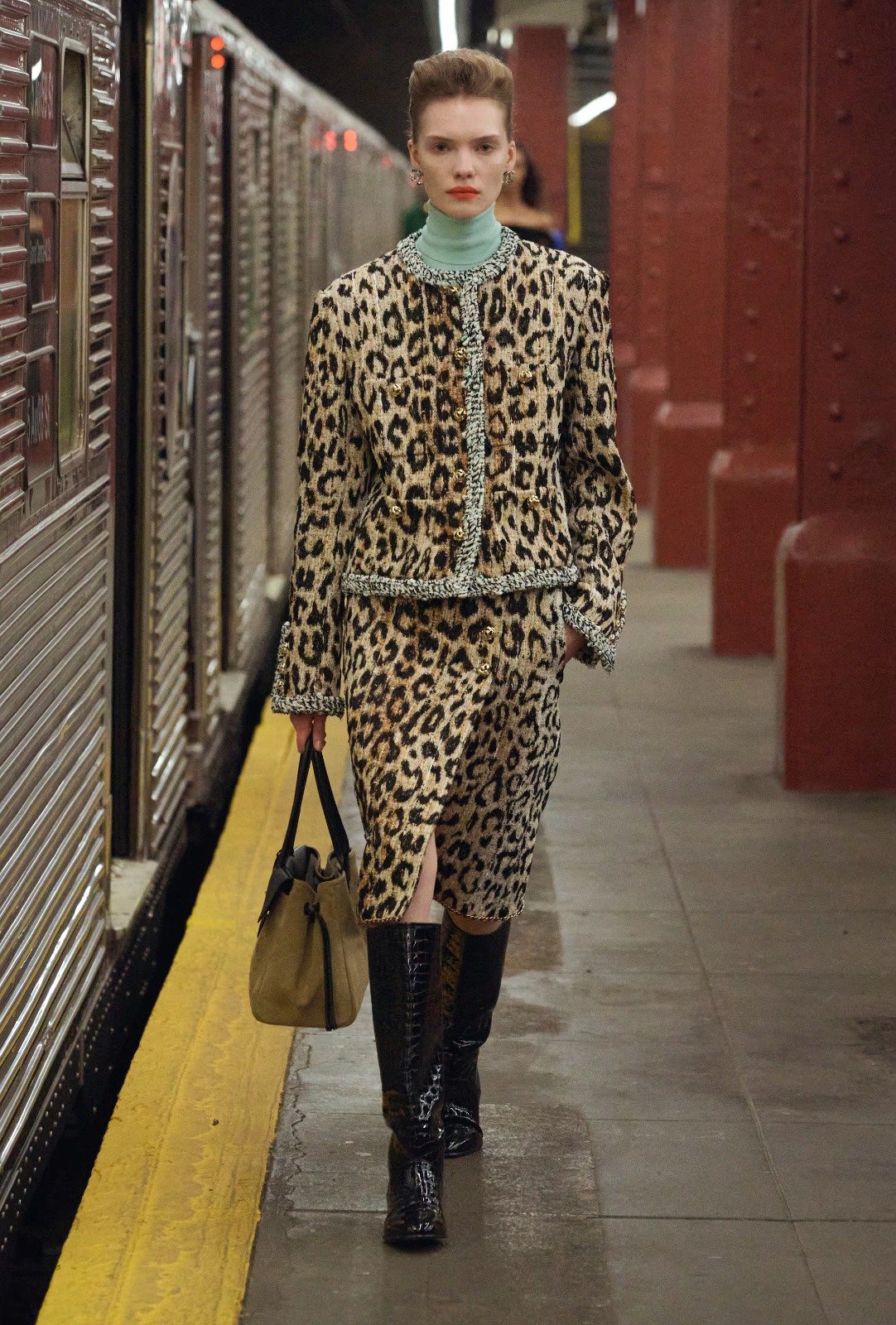
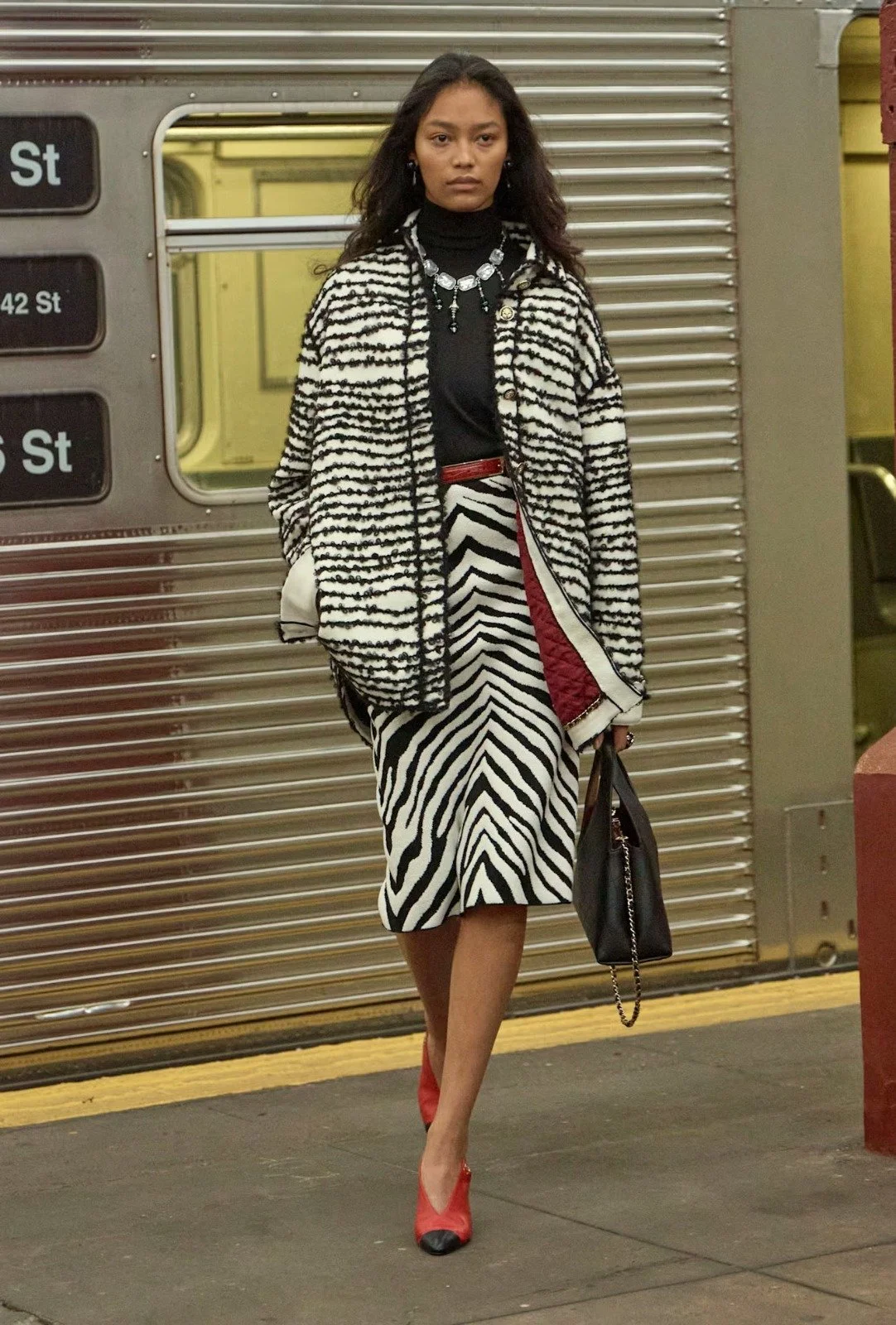
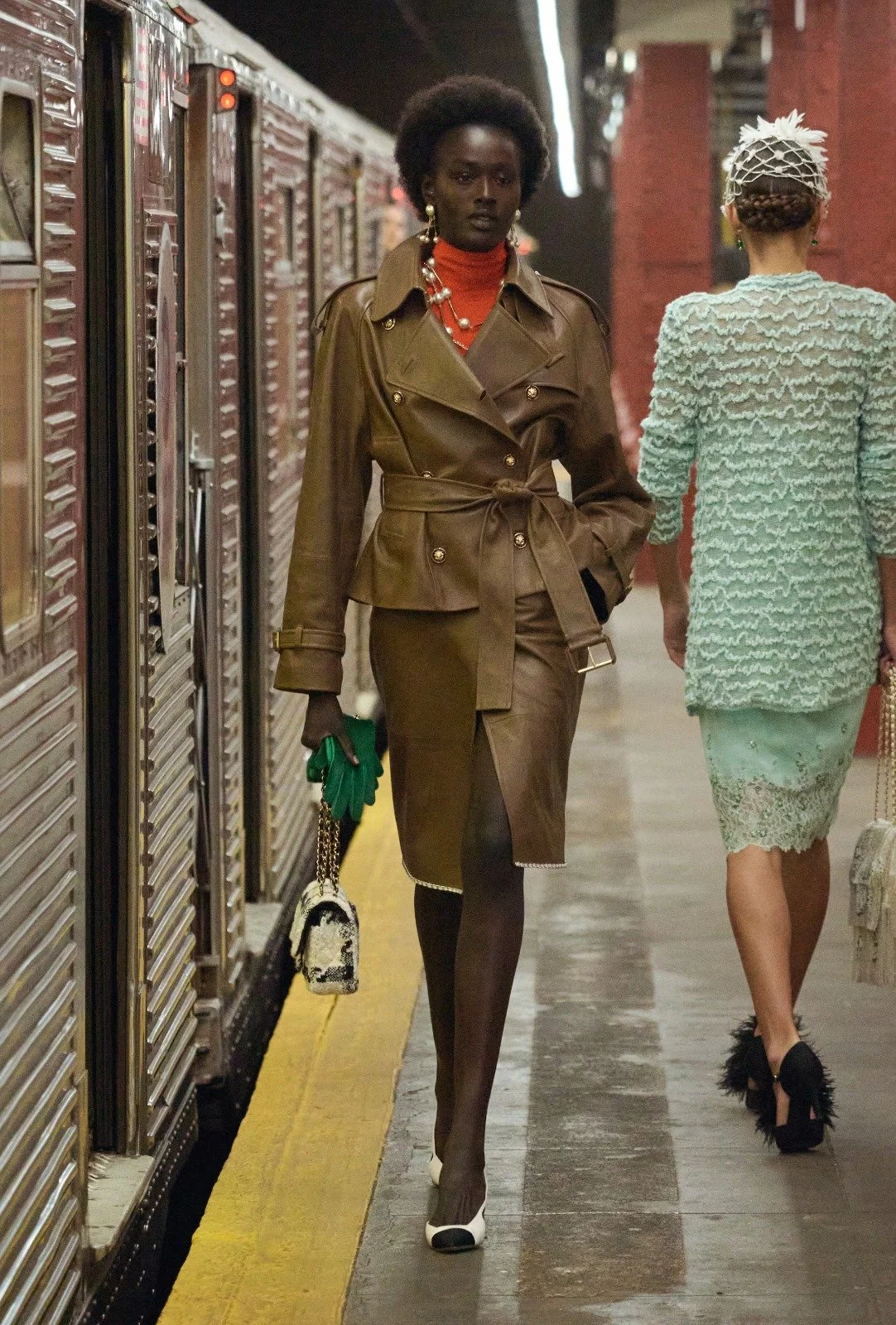

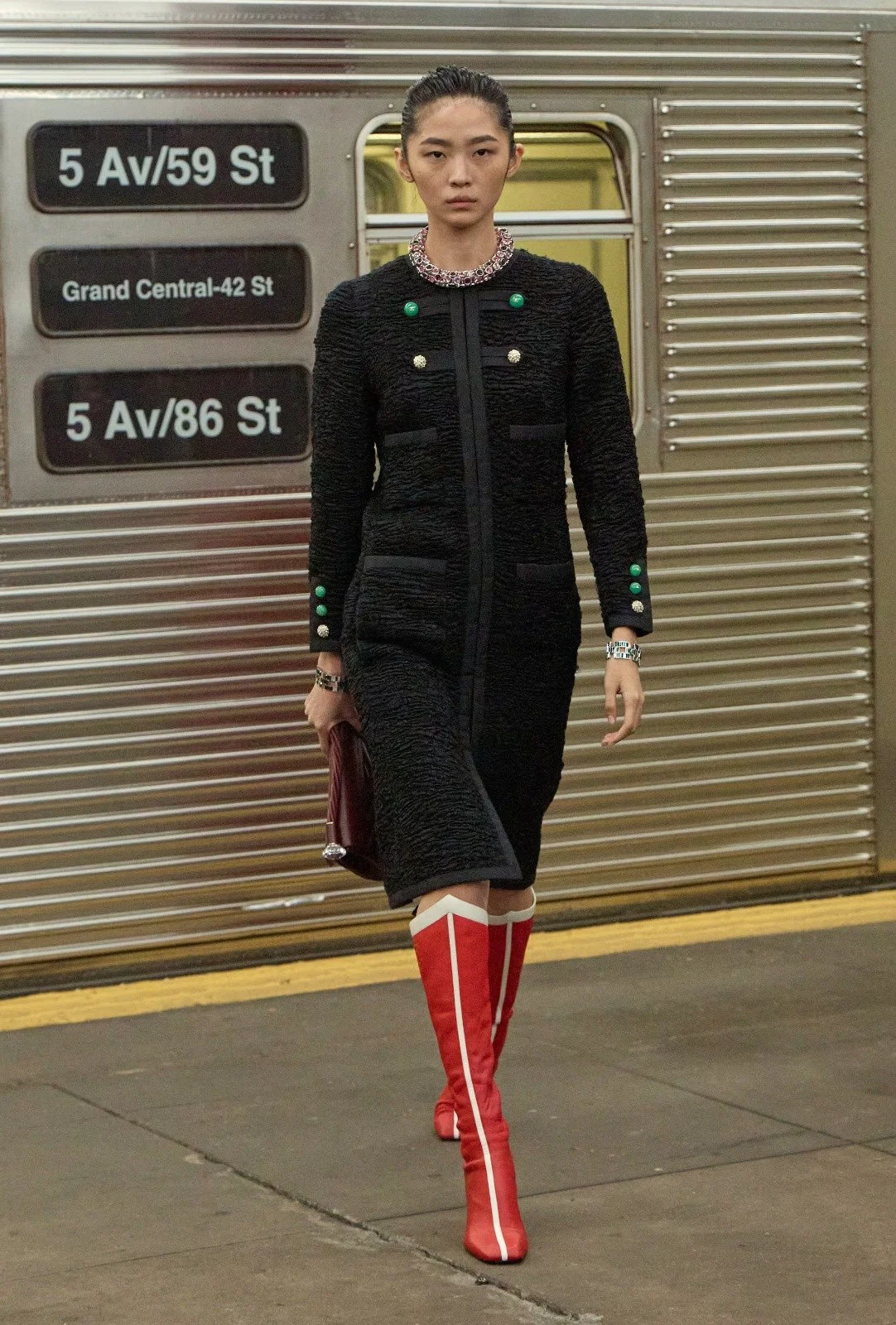
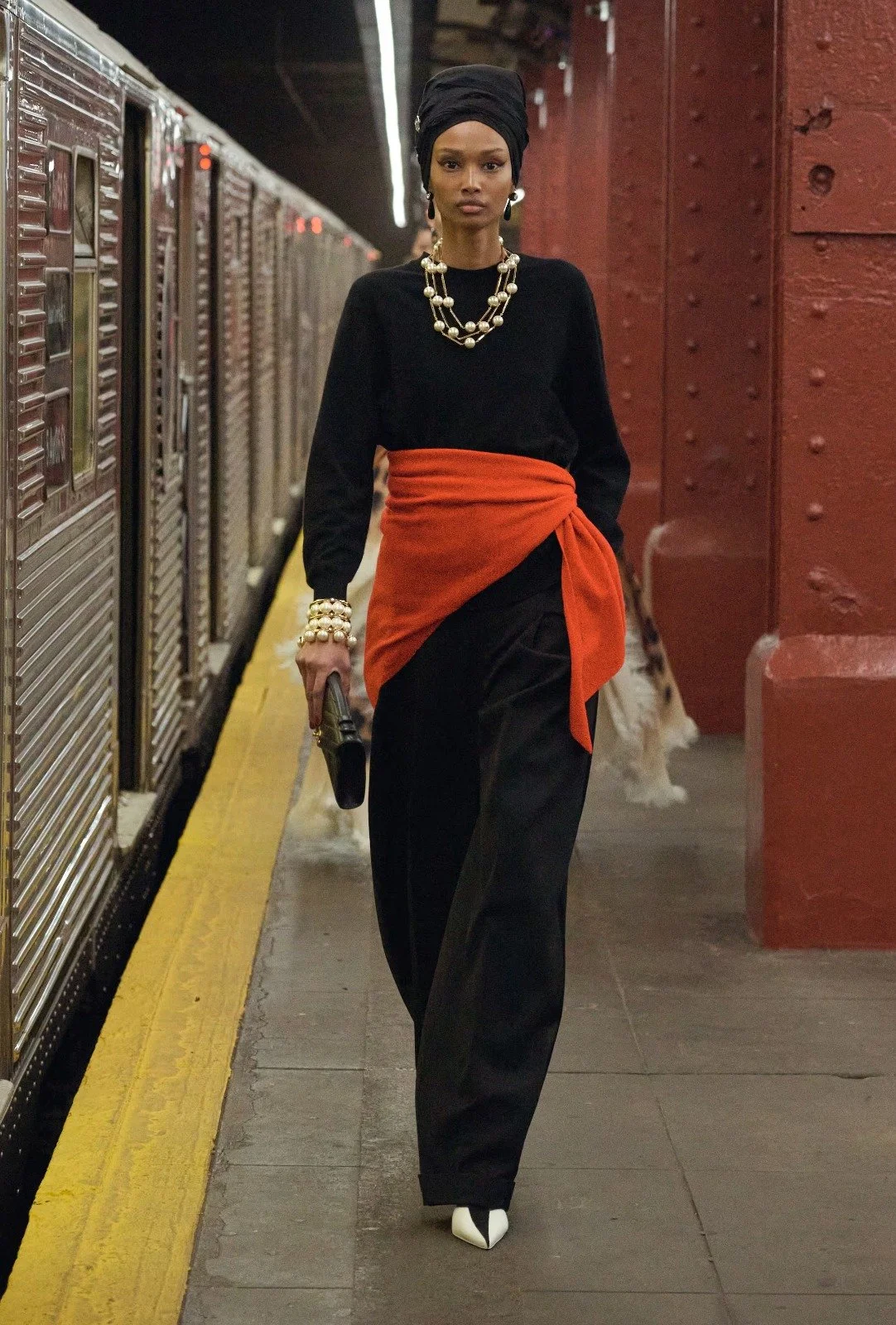
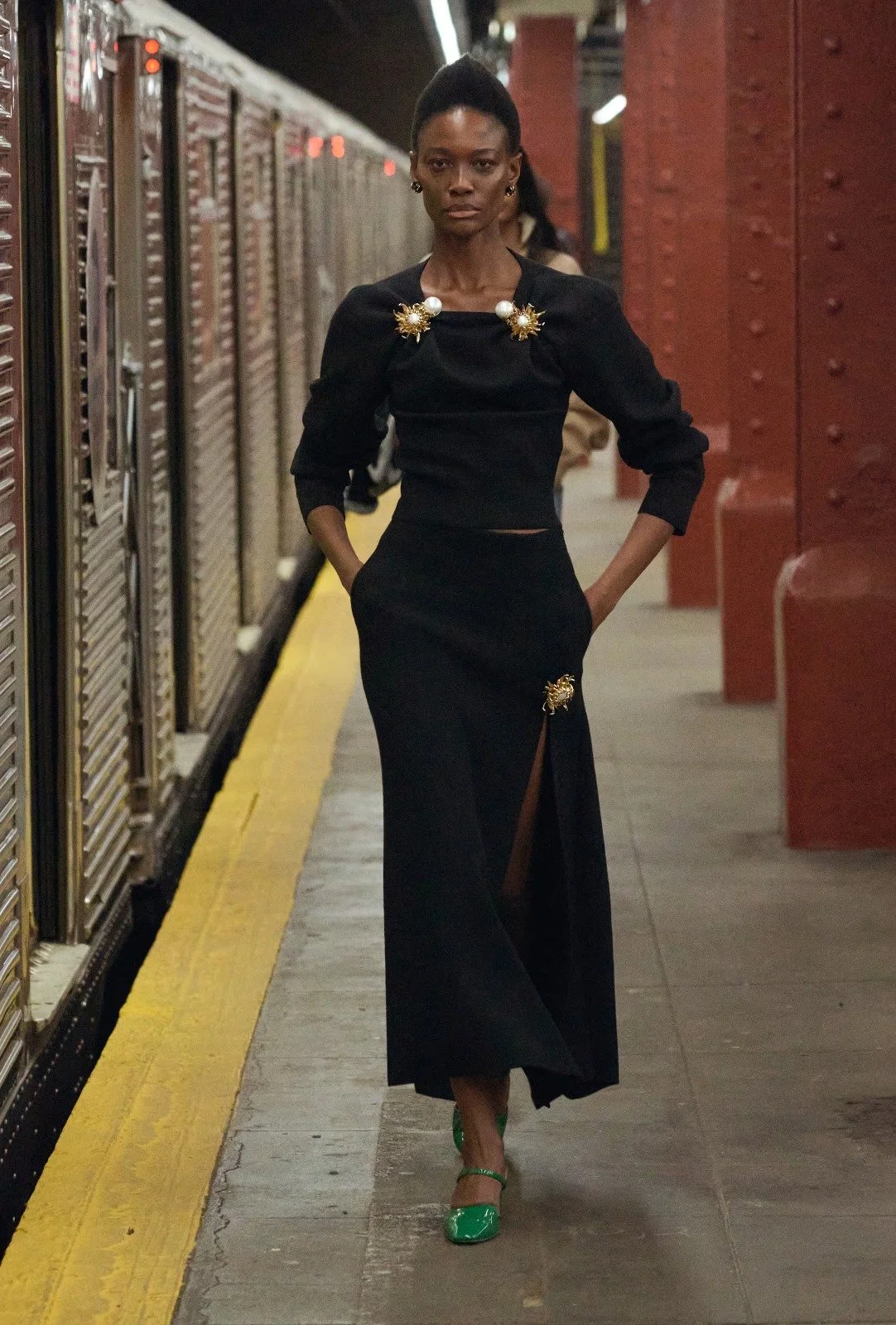
The chosen station, framed by red bricks and warm lighting designed to revive a forgotten corner of the Lower East Side, acquired a cinematic aura. A real train pulling into the platform marked the beginning of the show: models emerged from the cars like anonymous commuters, pausing to check for the next train, inhabiting the space with choreographed ease. A simple gesture, yet profoundly transformative: Chanel wasn’t looking down at New York; it descended into its rhythm.
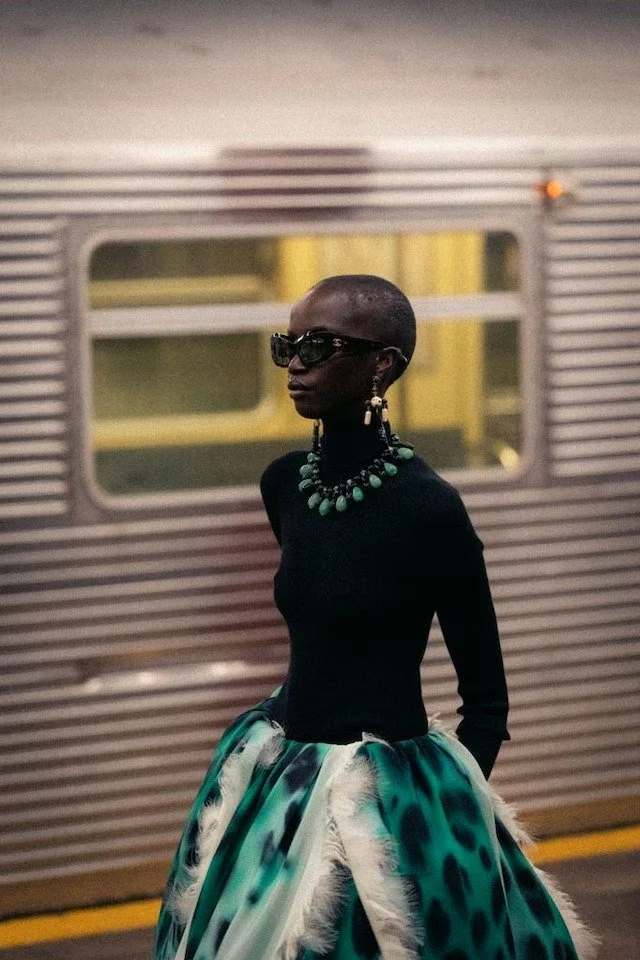
The invitation styled as a newspaper and paired with a miniature subway-car pendant foreshadowed the intention to take haute couture to every corner of the world. And Blazy delivered without compromise. Students in silk jeans crafted by Lesage, executives in pinstripe tailoring, socialites wrapped in Lemarié feathers, tourists wearing I LOVE NY T-shirts, and even a modern flapper with fringes swaying to the tempo of the trains. Together, they formed a vibrant portrait merging New York archetypes with the virtuosity of the 19M.
The collection shifted between decades and sensibilities: 1920s beehive hairstyles, powerful 1980s tailoring, animal prints reimagined with unprecedented techniques, and tweeds depicting inverted Manhattan skylines or embellished with playful puppies and pop references. The silhouettes intentionally cinematic echoed Gabrielle Chanel’s journey to the United States in 1931, when she discovered that real New York women interpreted fashion with a freedom untouched by hierarchy.
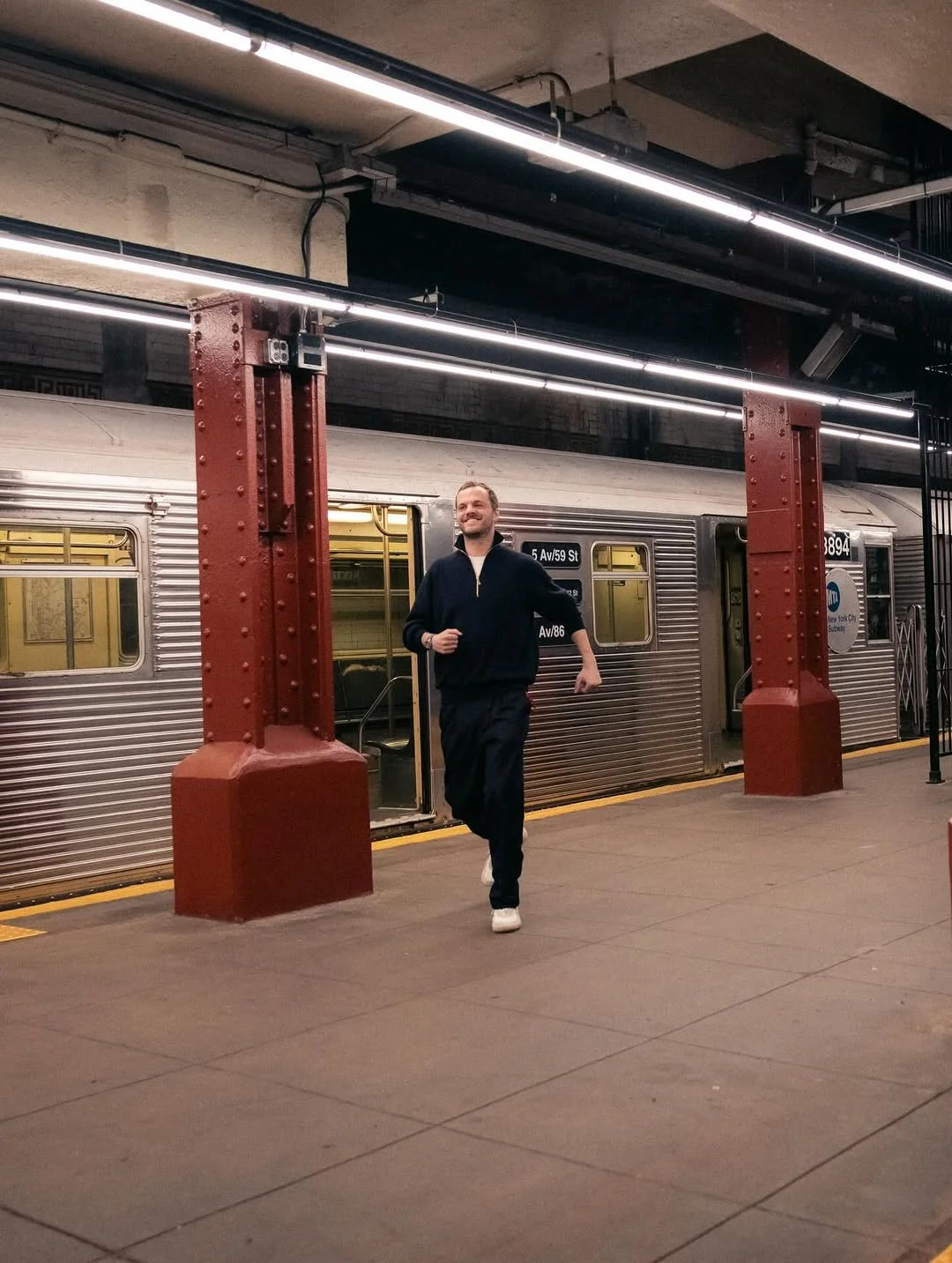
That vision is now the core of the new Chanel. A hand-painted tulip skirt meets a 1930s slip; an Art Deco Lesage gown pairs with wide chinos; a black suit accompanies a handbag embossed like a golden caiman. Each piece emerges from a dialogue between past and present, European refinement and New York vitality.
The result is a luxury without distance, without solemnity, without pedestals. A luxury that walks, that catches a train, that breathes the city. Blazy imagines a woman who never pauses one who moves through commutes and unexpected encounters, yet demands the excellence of savoir-faire in every step.
In that subway suspended in time, Chanel didn’t just present a collection. It declared a new beginning one where craftsmanship becomes experience, fashion turns into narrative, and the city that never sleeps becomes the mirror of a modern, liberated, profoundly human luxury.