

AVATAR: FIRE AND ASH, JAMES CAMERON RETURNS TO PANDORA WITH HIS DARKEST, MOST OVERWHELMING CHAPTER
Pandora returns wrapped in fire, grief, and excess. A spectacle that dazzles even as it consumes itself.
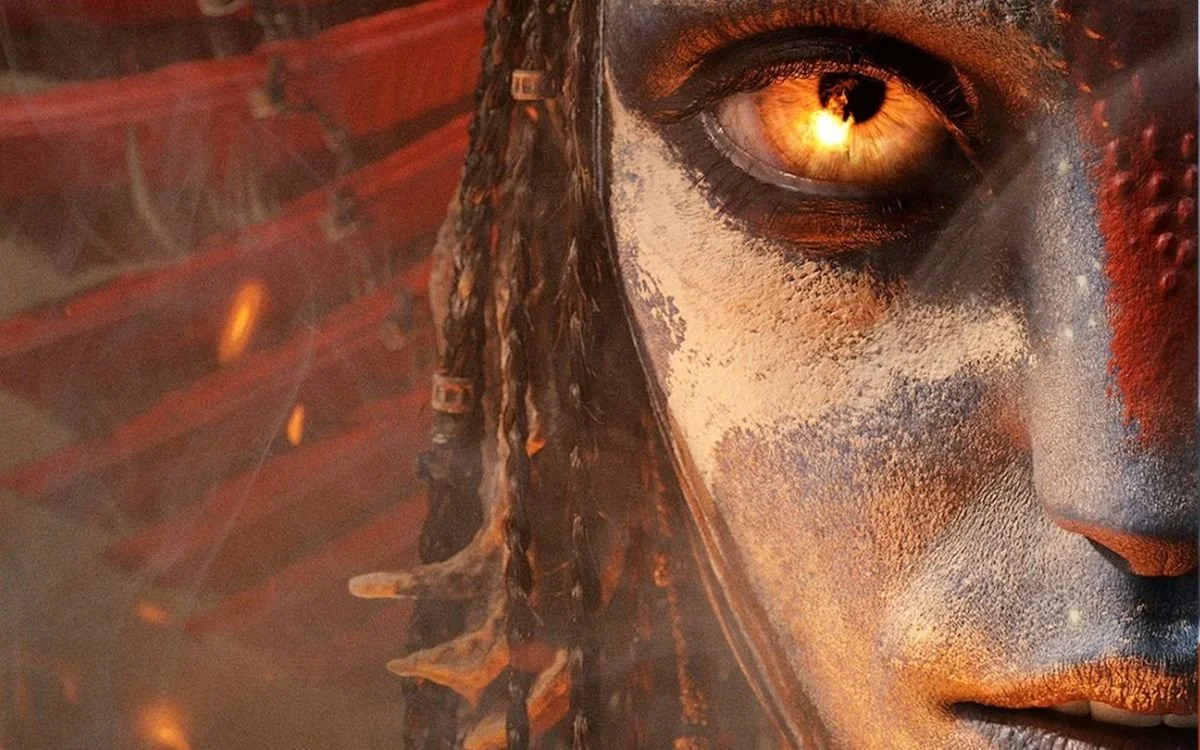
James Cameron returns to Pandora with Avatar: Fire and Ash, a third installment that confirms two truths living in constant tension: no one builds worlds like he does, and at the same time, no one seems able to tell him when to stop. Running over three hours at 197 minutes, the film is a biblical, violent, and emotionally charged display that captivates the eye while leaving a lingering sense of déjà vu.
The story begins shortly after The Way of Water. Jake Sully (Sam Worthington) and Neytiri (Zoe Saldaña) are grappling with the death of their son Neteyam. That loss permeates the entire narrative, pushing the saga into darker, more adult territory. Jake retreats into silence and action; Neytiri into a deep, visceral rage toward humans. It is she played with raw intensity by Saldaña who becomes the emotional core of the film.

The plot is set in motion when the family decides to return Spider, the human son of Miles Quaritch, to his people after malfunctions in his breathing mask put his life at risk. Traveling alongside the Metkayina clan, their journey is violently disrupted by the arrival of the Mangkwan, also known as the Ash People: a brutal Na’vi tribe bound to fire and led by Varang (Oona Chaplin), a magnetic figure whose authority is rooted in trauma and spiritual abandonment. Having rejected Eywa after a volcano destroyed their home, they represent a radical shift within the Avatar universe. Pandora is no longer just a paradise threatened from the outside it harbors darkness within.
For many, Varang is the film’s most compelling character. Chaplin delivers a ferocious performance that matches, and at times rivals, Saldaña’s. Yet her arc is ultimately constrained by narrative choices that diminish her impact, including a relationship with Quaritch that feels rooted in an older cinematic tradition and undercuts the complexity of a character poised to redefine the saga.
Visually, Fire and Ash is an unrivaled sensory feast. Pandora remains hypnotic in cutting-edge 3D: glowing jungles, volcanic landscapes, impossible creatures. But the relentless accumulation of epic sequences leads to saturation. There is little pause, little contrast, and the “wow factor” that once defined Avatar fades amid extended battles and a structure that closely mirrors the previous film.
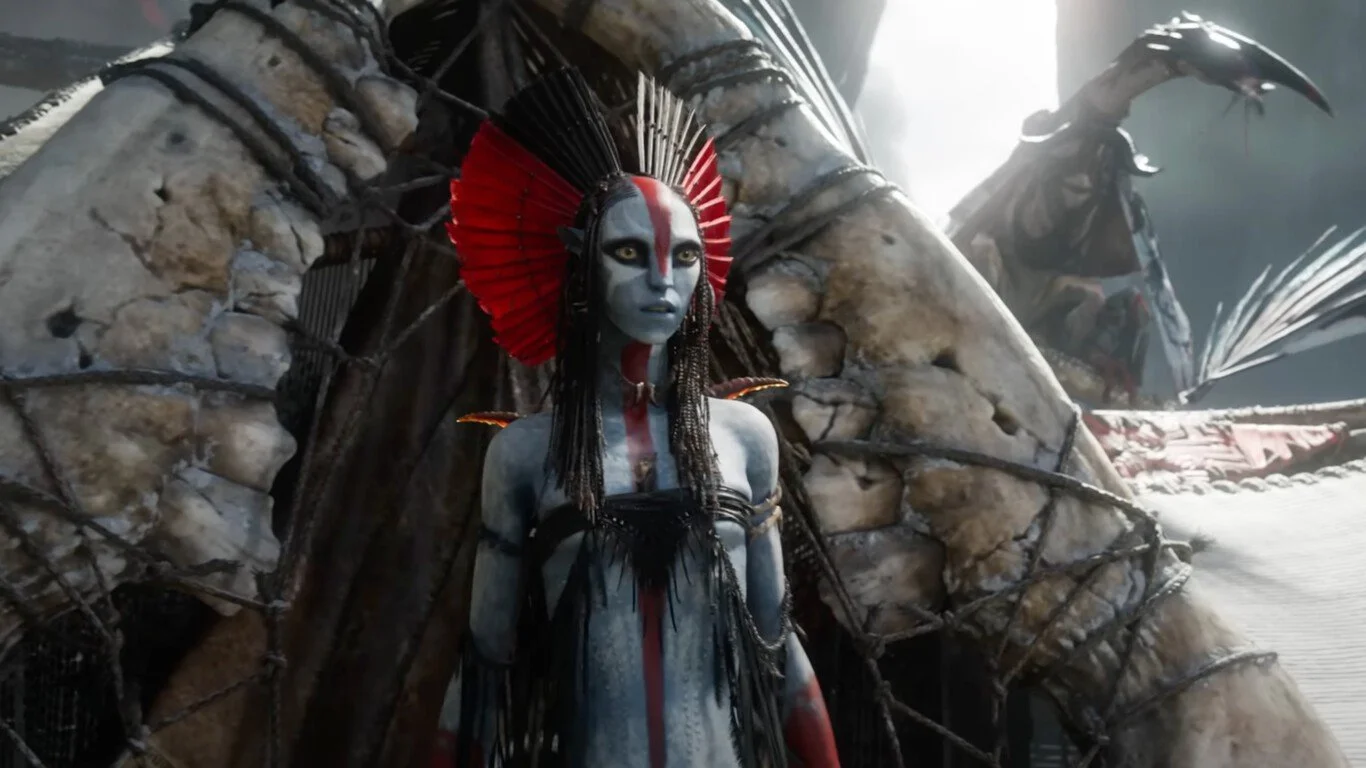
The movie introduces overtly biblical imagery sacrifice, resurrection, messianic figures and reinforces its ecological message, yet offers few genuinely new ideas. The narrative grows predictable: the heroes become purer, the villains crueler, and everything culminates, inevitably, in another massive final battle.
Cameron has made it clear that the future of the franchise hinges on this film’s box-office performance, part of a long-term, billion-dollar plan that includes the next sequels. Fire and Ash closes one arc while leaving the door ajar for what comes next. It is a spectacle that demands to be seen on the big screen, but also a test of endurance Pandora remains mesmerizing, even if it no longer astonishes as it once did.