

GUILLERMO DEL TORO PRESENTS FRANKENSTEIN: CINEMATIC INNOVATION OR MORE OF THE SAME?
Cinema is already saturated with Frankenstein adaptations, yet Guillermo del Toro insists on bringing another. Does it truly offer something new, or does it merely repeat familiar formulas?

The cinema has seen so many versions of Frankenstein that it is legitimate to ask: did we really need another one? From Boris Karloff’s iconic creature in 1931 to recent cinematic experiments, the figure of Victor Frankenstein’s monster has become a staple of popular imagination. Yet Guillermo del Toro answers this question with a gesture all his own: he does not simply adapt Mary Shelley’s novel, but transforms the story into a mirror of his emotional biography and the human complexity he has explored for decades.
For Del Toro, Frankenstein is not just a tale about science and monsters it is a canvas about the emotional inheritance between parents and children, forgiveness, and reconciliation. At seven, after watching James Whale’s version, the Mexican filmmaker realized that the creature was his personal avatar; a messiah channeling a child’s fascination with the monstrous and the solitude of a boy who feels challenged by life from an early age. Decades later, with a filmography including Pan’s Labyrinth, The Shape of Water, and Nightmare Alley, Del Toro finally felt ready to tackle the story with the depth it demands. Thirty years of preparation, reflections on death, the loss of his parents, and his own fatherhood culminated in a Frankenstein that is more personal than gothic.

What sets this version apart is not horror or awe at the grotesque, but empathy toward the creature. Del Toro transforms Shelley’s story into a narrative about children seeking to understand their parents and parents striving to reconcile with their own legacy. Victor Frankenstein no longer merely defies death; he creates life as an act of rebellion against a cold, authoritarian father. His monster, therefore, becomes a cry against the absence of affection, a being whose search for acceptance reflects the universality of human loneliness. Elizabeth ceases to be a romantic object; she becomes a reflection of the longing for belonging and compassion that all beings desire.
The ending also breaks with literary fatalism: where Shelley leaves death and regret, Del Toro offers forgiveness and reconciliation. Victor recognizes his creation as his child, and the creature responds with mercy. This narrative choice does not dilute the tragedy; it enlarges it, turning it into a story about humanity’s capacity to transform the chain of pain into love and understanding.
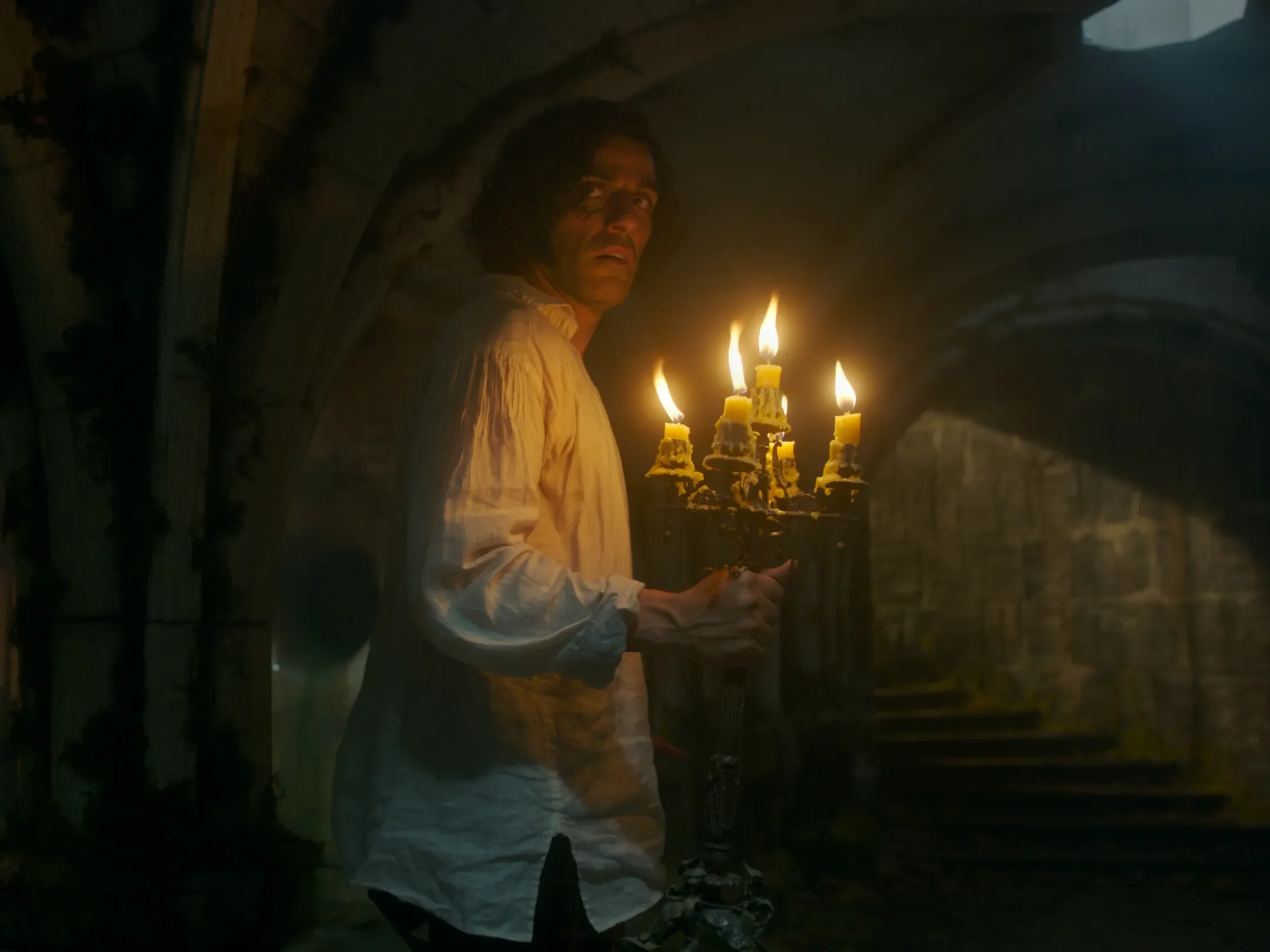
The film, presented at Venice 2025 and released in theaters before arriving on Netflix, was met with 13 minutes of applause a recognition reflecting the anticipation and emotional weight Del Toro infused into each scene. While some critics noted excessive action and repetition, most agree that the work achieves a “monstrous humanity” and a visual and narrative portrayal that revitalizes a myth once thought inexhaustible. Jacob Elordi, in his portrayal of the Creature, is praised for bringing freshness and vitality to the role, confirming that the director’s vision balances aesthetic perfection with authentic emotion.
If the world needed another Frankenstein, Del Toro offers a definitive answer: yes, but not just any version. This is the film of a man who has lived with the monster since childhood, who has learned from loss, pain, and fatherhood, and who ultimately finds in reconciliation the true humanity of his creature. In a universe saturated with adaptations, his Frankenstein does not merely live again it beats with the pulse of his own life.